

Health
The core foundations of human health.
Aging
All Aging (70) »
Partial reprogramming shifted lab skin cells toward younger clocks
In a 2022 eLife study, researchers at the Babraham Institute and partner institutions used 13 days of maturation-phase transient reprogramming on middle-aged donors' skin fibroblasts and reported roughly thirty-year shifts on custom transcript and DNA methylation clocks, plus collagen-related signals and partial gains in a scratch-wound assay. Cells regained fibroblast identity in the dish; telomere lengthening was not seen on the methylation-based estimate used. FDA later cleared a separate company-sponsored phase 1 gene-therapy trial based on partial epigenetic reprogramming for optic neuropathies; starting that trial is not proof of anti-aging benefit in humans.

Memory rejuvenation restored recall in mice
An EPFL Neuron study found that brief OSK gene activation in memory-trace neurons improved recall in aged and Alzheimer's-model mice. The result suggests some memory decline may reflect aging neurons rather than erased memories, but it does not show human memory restoration.
DHEA benefits are limited, and anti-aging proof is weak
DHEA is a real hormone precursor, and its level falls with age. But that does not prove oral DHEA improves aging, energy, muscle, or libido for most people. Human evidence supports a few narrower uses and raises real safety questions.
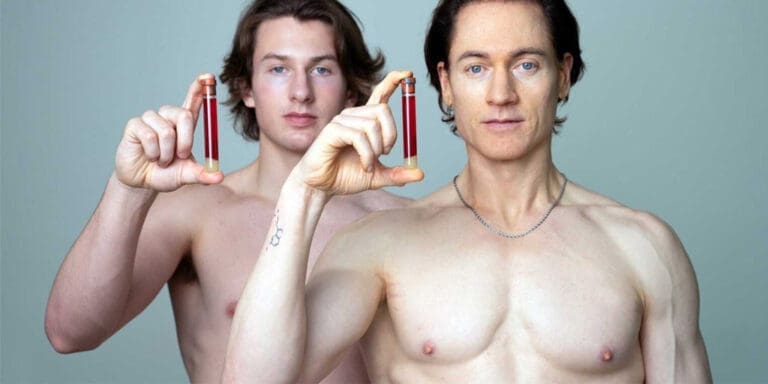
Bryan Johnson’s Blueprint and “Don’t Die” movement aim to make death optional
Bryan Johnson's Blueprint project uses data to reverse aging. His "Don't Die" movement aims to make longevity humanity's top goal through healthy habits.
NMN and NR supplements raise blood NAD but have not slowed aging in humans
NMN and NR supplements reliably raise blood NAD, but human trials have not shown that they slow aging; measured benefits so far are small and inconsistent.

Aging is the biggest overall cancer risk factor
Aging is the biggest overall cancer risk factor, but that does not make preventable risks irrelevant. The stronger message is that older adults with cancer need care that fits their full health status, not only the tumor.
Can you reverse gray hair? Science says probably not permanently
While genetics is the main factor, reducing personal and environmental stress can temporarily reverse gray hair color in some cases, but a permanent fix is not yet available.
Vision gains in early dry AMD stem cell transplant trial
An open-label phase 1/2a report in Cell Stem Cell covers the first six participants in the lowest-dose arm of a donor-derived RPE stem cell trial for geographic atrophy. Chart scores in the poorest-vision group rose on average at a 12-month visit, and the better-vision group showed a modest average gain at six months, but the cohort is too small and too early to treat as proof of efficacy or as standard care.
High sweetener intake tied to 63% faster cognitive decline
In a Brazilian study of 12,772 adults followed for eight years, people who consumed the most low- and no-calorie sweeteners showed a 63% faster decline in thinking and memory than the lowest consumers. The study shows a link and cannot prove cause.
AI Health
All AI Health (12) »
ChatGPT outperforms doctors in diagnosis, but human collaboration fails
A new study reveals that artificial intelligence can now diagnose complex medical cases better than human doctors, but using the…
A phone game now called Mood Bloom eased depression in 8 weeks
In a randomized trial of 101 adults with mild to moderate depression, a phone game now called Mood Bloom cut clinician-rated symptoms 7 points more than a waiting list over eight weeks. The trial had no sham app.
Throne’s toilet camera photographs stool to track gut health
Throne's clip-on toilet camera photographs stool and urine to log gut health and hydration. A 2026 company study found its AI sorts stool photos about as well as gastroenterologists, but the device has no FDA clearance.
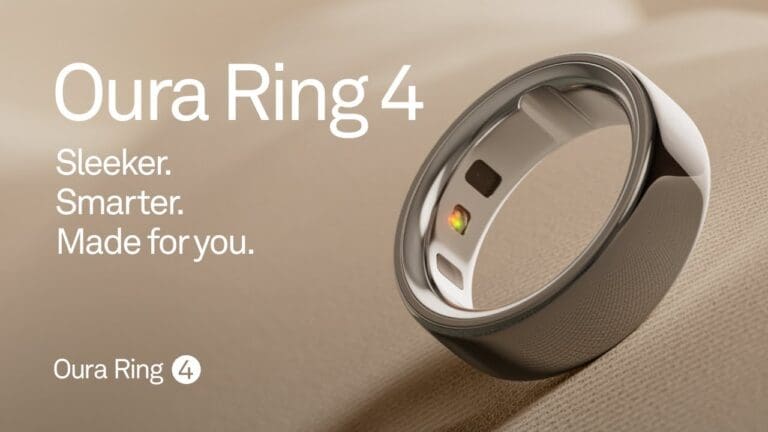 video
videoSmart Sensing technology adapts to human anatomy to solve the accuracy limits of wearable health trackers
New Smart Sensing technology uses dynamic signal pathways to adapt to human anatomy, improving the accuracy and comfort of wearable health trackers.
 video
videoOxyZen by BrainCo: an AI meditation headband for sleep
This new AI meditation headband from BrainCo, called OxyZen, uses EEG sensors and an AI sleep coach to help you relax and sleep better.
Suggested slug: ai-meditation-headband-sleep
 video
videoTechnologies that could change how we age in the coming years
the rapid advancements in anti-aging medicine, emphasizing the potential of wearables, implantable devices, and biological age clocks to transform healthcare.…
 video
videoThe latest approaches to slowing or reversing aging
Advanced medical interventions for longevity, including stem cell therapy, testosterone replacement, human growth hormone (HGH), and cellular reprogramming. While testosterone…
New anti-aging supplements aim to extend healthy years
The longevity industry is rapidly expanding, with advances in cellular reprogramming, AI, and big data pushing the boundaries of anti-aging…
A French startup is building an AI trained on all of biology to speed up drug discovery
The French startup Bioptimus is developing an artificial intelligence model to understand the different scales of life, from molecules to…
Alcohol
All Alcohol (16) »
Heavy drinking is linked to earlier brain bleeding
In 1,600 people already hospitalized with spontaneous brain bleeds, heavy regular drinking was associated with earlier median age at onset (64 vs 75 years), larger hematomas, and MRI patterns suggesting more advanced small-vessel disease versus the non-HAU cohort. The Neurology study is cross-sectional and single-center, so it reports associations in admitted patients, not proof of direct causation for each finding.
 video
videoDr Réginald Allouche blames an overloaded liver for weight gain
Dr Réginald Allouche argues that an overloaded liver drives weight gain. European guidelines confirm the link in the other direction: losing 5% to 10% of body weight clears liver fat and can reverse liver damage.
Sure Shot says its drink lowers blood alcohol within 30 minutes
Sure Shot's maker says its drink lowers blood alcohol within 30 minutes. A company-funded trial published in 2025 found blood alcohol 12% to 15% lower than with a placebo over four hours, with no next-day hangover data.
Light drinking raises cancer risk and is tied to a smaller brain
WHO places alcohol in the top group of cancer causes and finds no safe level. In 36,678 UK adults, even one to two units a day went with lower brain volume, a link that does not prove cause.
Refusing alcohol often requires justification in social settings
In France, individuals who refuse alcohol, whether for health reasons, pregnancy, or religious beliefs, often feel pressured to explain their…
Mice whose fathers drank alcohol before conception age faster
Male mice that drank alcohol for six weeks before mating had offspring with aged brain and liver cells and more liver scarring by middle age. The damage was worst when both parents drank.
A one-time gene therapy cut heavy drinking by over 90% in monkeys
In a Nature Medicine study, one GDNF gene infusion into the brain's reward area cut drinking by more than 90% in heavy-drinking monkeys over a year. It requires brain surgery and has not been tested in people.
Not smoking, exercise and varied food raise odds of living to 100
In a Chinese study of adults over 80, those who did not smoke, exercised, and ate a varied diet had 61% higher odds of reaching 100. Healthy habits still seem to count late in life.
 video
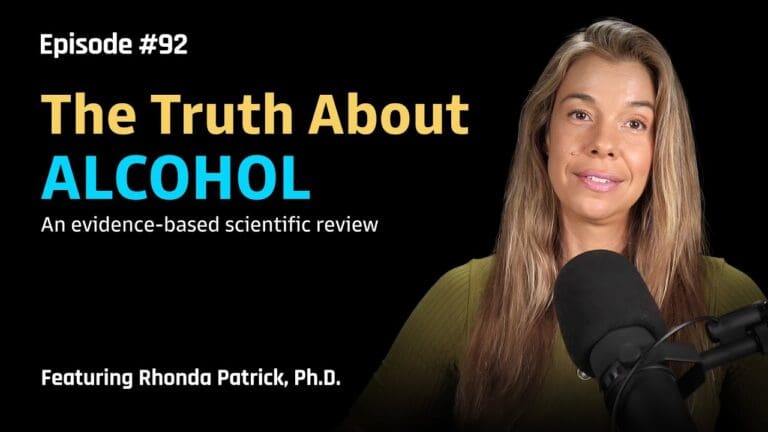
videoWhat the evidence actually says about alcohol and your health
This podcast episode dives deep into the complex relationship between alcohol and health. It covers a wide range of topics,…
Cancer
All Cancer (10) »Aging is the biggest overall cancer risk factor
Aging is the biggest overall cancer risk factor, but that does not make preventable risks irrelevant. The stronger message is that older adults with cancer need care that fits their full health status, not only the tumor.
Ultra-processed foods may raise early bowel cancer risk
A new cohort study linked higher ultra-processed food intake in women under 50 with more early colorectal adenomas, but it did not prove direct bowel cancer causation.

Sydney hospital freezes tumours through a needle under live MRI
Liverpool Hospital in south-west Sydney opened an interventional radiology suite in September 2025 where doctors freeze selected tumours with a needle while watching them on live MRI. One patient with a 9 mm spinal tumour was pain-free the next day. No patient numbers have been published.
PAHs in food form during high-heat cooking
PAHs can form in food during smoking, grilling, and other high-heat processes. A 2025 paper mainly validates a faster lab method to detect eight PAHs in food matrices, rather than proving that everyday foods are broadly dangerous.
Father sacrifices his life for early retirement, only to die from cancer soon after
The story of a father who sacrificed his happiness and health to retire early, only to be diagnosed with terminal…
Lidocaine’s potential in targeting cancer cells
Lidocaine’s potential role in treating head and neck squamous cell carcinoma Lidocaine, a common local anesthetic, has been found to…
Whole broccoli more effective for cancer prevention than supplements
Sulforaphane in broccoli found to target cancer stem cells Researchers at the University of Michigan discovered that sulforaphane, a compound…
French biotech wins funding for an advanced lung cancer vaccine trial
OSE Immunotherapeutics has received a French government grant to support a Phase III clinical trial for its cancer vaccine, Tedopi.…
Trial of first lung cancer vaccine launched in seven countries
A 67-year-old man in the UK has become the first participant in a trial for a new lung cancer vaccine,…
Exercise
All Exercise (75) »
Cardio before or after weights? Match order to your goal
For many gym-goers, sticking to training matters more than perfect order. Cleveland Clinic ties sequence to goals (endurance first, strength first) and, for weight loss, to what you will actually do. A 2025 trial in forty-five young men with obesity favored resistance-before-cycling for fat mass, body fat percentage, android versus gynoid fat, and MVPA, with similar aerobic fitness either way. Hindustan Times coach quotes are user-generated and unverified by the outlet.

Strength training beats running for diabetes benefits in mice
A new mouse study finds that strength training is more effective than running for improving glucose metabolism and fighting diabetes.

Walking is the simplest way to lose fat and keep it off
Walking works for fat loss because most people can do it every day without pain or fear. It builds a…
After 40, lifting weights is the best way to slow muscle loss
Most people start to lose small amounts of muscle in their thirties, but the decline speeds up after forty. This…
New injectable drug CBL-514 may safely shrink belly fat by killing its cells
Scientists are testing a new injectable drug, CBL-514, that makes unwanted fat cells in a chosen body area self-destruct. Early…
Economic development drives obesity primarily through increased calorie intake, not reduced activity
A global study examining energy expenditure and obesity across 34 populations reveals that economic development is strongly associated with increased…
videoDr Réginald Allouche blames an overloaded liver for weight gain
Dr Réginald Allouche argues that an overloaded liver drives weight gain. European guidelines confirm the link in the other direction: losing 5% to 10% of body weight clears liver fat and can reverse liver damage.

Three evidence-based rules that help people lose fat sustainably
A doctor's approach to losing fat: maintain a sustainable calorie deficit, prioritize protein at every meal, and focus on lifestyle fit over diet perfection.
Walking over 100 minutes a day tied to 23% less chronic back pain
A Norwegian study of 11,194 adults found that those who walked more than 100 minutes a day were 23% less likely to develop chronic low back pain over about four years than those who walked under 78 minutes. Walking time mattered more than pace.
Eyes
All Eyes (2) »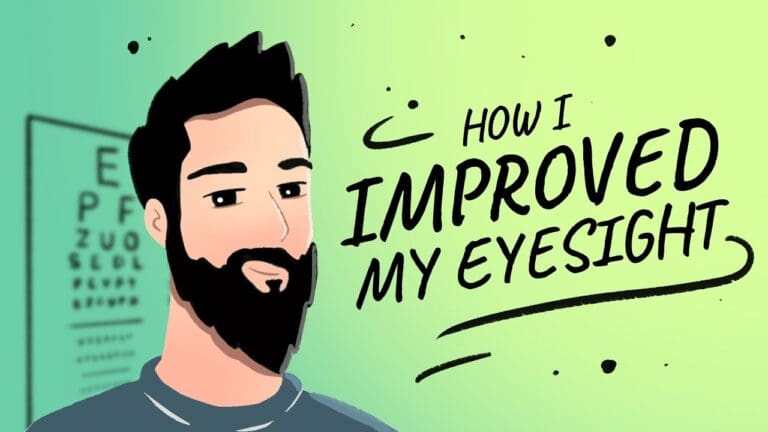 video
videoEndmyopia claims to reverse nearsightedness naturally (but science remains skeptical)
Endmyopia claims to reverse nearsightedness via active focus, but studies suggest under-correction may worsen vision.
Vision gains in early dry AMD stem cell transplant trial
An open-label phase 1/2a report in Cell Stem Cell covers the first six participants in the lowest-dose arm of a donor-derived RPE stem cell trial for geographic atrophy. Chart scores in the poorest-vision group rose on average at a 12-month visit, and the better-vision group showed a modest average gain at six months, but the cohort is too small and too early to treat as proof of efficacy or as standard care.
Food
All Food (46) »Ultra-processed foods may raise early bowel cancer risk
A new cohort study linked higher ultra-processed food intake in women under 50 with more early colorectal adenomas, but it did not prove direct bowel cancer causation.
HSL helps maintain fat tissue from inside the nucleus
A Cell Metabolism study (first published online 23 October 2025) reports that hormone-sensitive lipase (HSL) is active on fat droplets and in fat-cell nuclei, where it helps maintain adipose tissue. In the mouse models and rare human HSL-deficiency cases described in the paper, the phenotype is lipodystrophy (abnormal loss or redistribution of fat tissue), not obesity. The work reframes how too much and too little functional fat tissue can both strain metabolism. It does not replace medical or lifestyle advice or prove any new treatment.
High sweetener intake tied to 63% faster cognitive decline
In a Brazilian study of 12,772 adults followed for eight years, people who consumed the most low- and no-calorie sweeteners showed a 63% faster decline in thinking and memory than the lowest consumers. The study shows a link and cannot prove cause.

Plant protein and fish are linked with longer life, while red and processed meat raise risk
A recent media claim said that eating a lot of animal protein speeds aging. The idea has some truth, but…
Gluten in everyday bread may drain energy, worsen mood, and raise schizophrenia risk
Scientists and doctors are looking again at the humble loaf. New reporting highlights a body of research showing that the…
Frozen vegetables are a healthy choice
Frozen vegetables rival fresh produce on nutrients, price and safety Many shoppers assume that “fresh” automatically means “healthier,” yet freezing…
Economic development drives obesity primarily through increased calorie intake, not reduced activity
A global study examining energy expenditure and obesity across 34 populations reveals that economic development is strongly associated with increased…
videoDr Réginald Allouche blames an overloaded liver for weight gain
Dr Réginald Allouche argues that an overloaded liver drives weight gain. European guidelines confirm the link in the other direction: losing 5% to 10% of body weight clears liver fat and can reverse liver damage.
Three evidence-based rules that help people lose fat sustainably
A doctor's approach to losing fat: maintain a sustainable calorie deficit, prioritize protein at every meal, and focus on lifestyle fit over diet perfection.
Hair
All Hair (9) »Can you reverse gray hair? Science says probably not permanently
While genetics is the main factor, reducing personal and environmental stress can temporarily reverse gray hair color in some cases, but a permanent fix is not yet available.
PP405 hair regrowth shows promise
In a 78-person trial, 31% of men with advanced hair loss who applied PP405 daily for 4 weeks gained over 20% hair density by week 8, versus 0% on placebo.
Finasteride and minoxidil slow balding and regrow hair in men
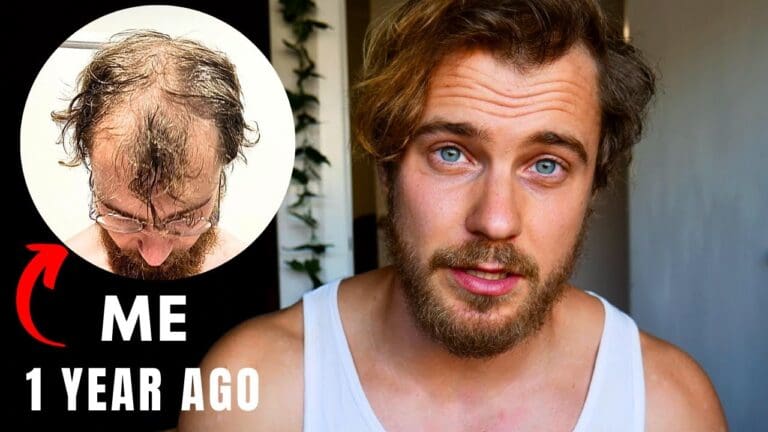
Large trials show that finasteride 1 mg a day and 5% minoxidil lotion slow male pattern baldness and regrow some hair. A minoxidil pill matched the lotion in a 2024 trial. Each drug has known side effects.
 video
videoHow to slow visible aging in skin, nails, and hair
Harvard professor David Sinclair and co-host Matthew LaPlante discuss methods to slow or reverse cosmetic aging, focusing on skin, hair,…
A DNA sugar called 2-deoxy-D-ribose regrew hair in balding mice
In a 2024 mouse study, a gel containing 2-deoxy-D-ribose, a sugar found in DNA, restored hair length and thickness as well as minoxidil after 20 days. A first trial in people began in Cairo in 2026.
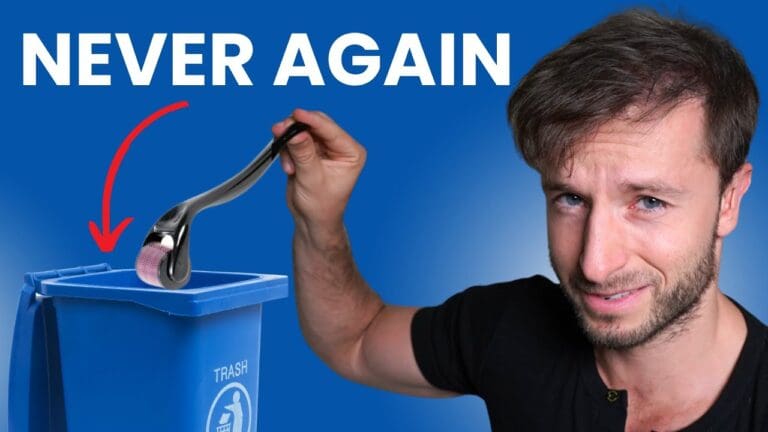
A hair YouTuber says microneedling pens beat derma rollers
A hair loss YouTuber says motorized microneedling pens beat derma rollers on pain, scarring, and hair pulling. Trials found that rollers and pens both add regrowth to minoxidil, with needle depth as the key setting.
A DNA sugar gel regrew fur in balding mice as well as minoxidil
In a 2024 mouse study, a gel made with 2-deoxy-D-ribose, a sugar found in DNA, matched a 2% minoxidil spray on hair length and thickness after 20 days. Combining the two added nothing.
A sugar found in the body may help hair regrow without drugs
A study in mice suggests that the simple sugar 2-deoxy-D-ribose, which the body already makes as part of DNA, can…
An arthritis drug is the first proven pill for severe hair loss
Alopecia areata is an autoimmune disease in which the body’s defense system attacks hair roots, causing sudden bald patches on…
Health Lies
All Health lies (10) »Lifestyle counts far more than genetics for health and longevity
75-90 % of what determines human lifespan lies outside the DNA we inherit. That “environmental” portion is overwhelmingly shaped by lifestyle: medical care, nutrition, physical activity, smoking, social support, and more.

Sleeping naked is not proven to extend lifespan
Headlines that tie nudity to extra years of life are not backed by serious longevity research. What holds up in sources is narrower: heat at night often fragments sleep, public health pages recommend a cool bedroom, and one home-based study in community-dwelling older adults points to a 20-25 °C band under nonlinear models with large person-to-person differences. Choosing pajamas is personal; comfort and room temperature matter more than anti-aging slogans.
 video
videoPeople who keep lost weight off stay active about an hour a day
Most lost weight returns within a few years. People who keep it off report about an hour of activity a day, and an eight-month trial found cardio cut more body fat than weights, which mainly added muscle.
A tidy home contributes to happiness and productivity
Research shows that having a tidy home promotes happiness and reduces stress. Clutter-free environments not only improve mental well-being but…
Refusing alcohol often requires justification in social settings
In France, individuals who refuse alcohol, whether for health reasons, pregnancy, or religious beliefs, often feel pressured to explain their…
 video
videoNearly 9 in 10 French teens move too little, a cardiologist warns
Cardiologist François Carré warns that French youth move too little. WHO data confirm that 87% of French teens fall short of an hour of activity a day, but his figures on early heart attacks have no traceable source.
A researcher wants tobacco-style health warnings on ultra-processed food packaging
A leading scientist calls for tobacco-style warning labels on ultra-processed foods due to their harmful health effects. These foods, linked…
UCL doctor says ultra-processed food makers act like Big Tobacco
UCL's Chris van Tulleken says ultra-processed food makers use Big Tobacco tactics to sell addictive food, especially to children. Tobacco firms did own major US food brands, whose foods were more often hyper-palatable, but food addiction is not yet an official diagnosis.
Devi Sridhar says UK leaders used Covid scientists as cover
Public health professor Devi Sridhar argues that Covid inquiry evidence shows Chris Whitty and Patrick Vallance were sidelined in private, while their place beside Boris Johnson made weak decisions look led by science.
Sleep
All Sleep (40) » video
videoThe cost of devotion: an analysis of Sienna Spiro’s song “Die on this hill”
Sienna Spiro’s “Die on this hill” is one of those haunting piano ballads that sounds like a love song but…

How people treat those with less power reveals their character
How someone treats waiters, strangers and staff says more about their character than charm does. The waiter rule comes from Raytheon CEO Bill Swanson, and the Goethe quote often attached to it goes back to Malcolm Forbes.
Partial reprogramming shifted lab skin cells toward younger clocks
In a 2022 eLife study, researchers at the Babraham Institute and partner institutions used 13 days of maturation-phase transient reprogramming on middle-aged donors' skin fibroblasts and reported roughly thirty-year shifts on custom transcript and DNA methylation clocks, plus collagen-related signals and partial gains in a scratch-wound assay. Cells regained fibroblast identity in the dish; telomere lengthening was not seen on the methylation-based estimate used. FDA later cleared a separate company-sponsored phase 1 gene-therapy trial based on partial epigenetic reprogramming for optic neuropathies; starting that trial is not proof of anti-aging benefit in humans.
Memory rejuvenation restored recall in mice
An EPFL Neuron study found that brief OSK gene activation in memory-trace neurons improved recall in aged and Alzheimer's-model mice. The result suggests some memory decline may reflect aging neurons rather than erased memories, but it does not show human memory restoration.

A new cholesterol pill cut bad cholesterol by about 60% in a large trial
CORALreef Lipids is now peer-reviewed in the NEJM (4 February 2026): once-daily oral enlicitide decanoate on top of statins in most participants cut LDL cholesterol by about 56 percentage points versus placebo at 24 weeks, with similar short-term adverse-event rates in the trial. Cardiovascular outcome benefit for this oral drug is still unproven until CORALreef Outcomes reports.

Psychiatrist says introspection is our closest link to reality
Psychiatrist Grant Brenner argues that looking inward gives the most direct contact with reality because it skips the senses. Experiments show people often misreport their own minds, so a shorter path does not mean a more accurate one.
DHEA benefits are limited, and anti-aging proof is weak
DHEA is a real hormone precursor, and its level falls with age. But that does not prove oral DHEA improves aging, energy, muscle, or libido for most people. Human evidence supports a few narrower uses and raises real safety questions.

Musical training is linked to better body orientation without vision
In a small lab study, musicians showed less disorientation on a blindfolded stepping task compared to non-musicians.

Can an AI “Gaslighting Detector” help you see manipulation clearly?
AI “gaslighting detectors” can help you spot manipulation patterns (but they can’t replace context or real support). Here’s how to use them safely.
Stress
All Stress (36) »Panic attacks: sour candy and cold exposure may quickly calm a panic spike
Sour candy for panic attacks On a Reddit conversation titled “What’s a crazy body life hack everyone should know?”, a…
 video
videoListening to theta binaural beats may help calm and sleep
Binaural beats are a sound effect made by playing two slightly different tones, one in each ear. The brain perceives…
 video
videoMedCircle: mental health interviews with psychiatrists & psychologists
Mental health interviews with world-class psychiatrists & psychologists, providing mental health advice packed with actionable takeaways and clear explanations of…
Walking is the simplest way to lose fat and keep it off
Walking works for fat loss because most people can do it every day without pain or fear. It builds a…
A study found no 90-minute focus cycle; short breaks ease fatigue
A 1995 lab test of 60 volunteers found no 90-minute focus cycle behind the popular work-in-blocks advice, while a 2022 review found that breaks of up to 10 minutes slightly raise energy and ease fatigue.

Fixing one gene’s activity reversed anxiety signs in mice
Researchers identified regular-firing neurons in the centrolateral amygdala that drive anxiety behaviors. Normalizing GRIK4 gene dosage in basolateral amygdala pyramidal cells reversed anxiety, depression, and social deficits in mice overexpressing the gene, suggesting a targeted treatment approach for anxiety disorders.
Amygdala circuit tweak clears anxiety signs in mice
A May 2025 iScience mouse study (online 13 May 2025; print issue 20 June 2025) reports that normalizing Grik4 in basolateral amygdala pyramidal cells reversed anxiety-like behavior, depression-like behavior, and social deficits in a transgenic model, while object recognition stayed impaired. In non-transgenic mice that were already highly anxious on screening, the same approach yielded only partial relief of anxiety-like behavior on the elevated plus maze, not a broad reversal across domains. The work is preclinical and does not establish a human treatment.
Men’s mental health: care gaps and suicide risk in U.S. data
National U.S. surveys show that mental illness is common among men, that men who have a mental illness are less likely than women in the same situation to use mental health services, and that suicide deaths fall very heavily on males. Cultural pressure to stay tough and stoic is often discussed as one possible barrier to opening up and getting treatment, but the NIMH and CDC summaries cited here do not test or quantify that explanation.
Childhood trauma linked to smaller hippocampus after romantic breakups
A new study links romantic breakups to smaller hippocampal brain volume in adults with childhood trauma, showing how early adversity heightens stress sensitivity.
Supplements
All Supplements (37) »DHEA benefits are limited, and anti-aging proof is weak
DHEA is a real hormone precursor, and its level falls with age. But that does not prove oral DHEA improves aging, energy, muscle, or libido for most people. Human evidence supports a few narrower uses and raises real safety questions.
NMN and NR supplements raise blood NAD but have not slowed aging in humans
NMN and NR supplements reliably raise blood NAD, but human trials have not shown that they slow aging; measured benefits so far are small and inconsistent.
NAD supplements raise NAD in the body – health gains are not established yet
Nicotinamide adenine dinucleotide, or NAD, is a helper molecule that cells use for energy, DNA repair, and body clock control.…
New injectable drug CBL-514 may safely shrink belly fat by killing its cells
Scientists are testing a new injectable drug, CBL-514, that makes unwanted fat cells in a chosen body area self-destruct. Early…
videoDr Réginald Allouche blames an overloaded liver for weight gain
Dr Réginald Allouche argues that an overloaded liver drives weight gain. European guidelines confirm the link in the other direction: losing 5% to 10% of body weight clears liver fat and can reverse liver damage.
Vitamin D may help cells age more slowly
Vitamin D may slow cellular aging by preserving telomere length, a new study finds. Learn about the benefits for DNA, proper dosage, and potential risks.
Curcumin supplements may help prevent age-related macular degeneration
Age-related macular degeneration (AMD) is the leading cause of irreversible vision loss in people over 50. A large U.S. electronic-health-record…
Sure Shot says its drink lowers blood alcohol within 30 minutes
Sure Shot's maker says its drink lowers blood alcohol within 30 minutes. A company-funded trial published in 2025 found blood alcohol 12% to 15% lower than with a placebo over four hours, with no next-day hangover data.
People low in both vitamin D and K had a 46% higher death risk
In a Dutch study of 4,742 adults followed for 14 years, people low in both vitamin D and vitamin K had a 46% higher risk of death. The link with heart disease was weaker and not statistically clear.
Teeth
All Teeth (8) »Clear aligners suit mild crowding, braces fix complex bites
Clear aligners such as Invisalign and fixed braces both straighten teeth. A 2019 meta-analysis found similar finished results and shorter aligner treatment, while braces remain the broader tool for complex bite corrections.
TePe interdental brushes help many people clean between teeth better than floss
Interdental brushes are very small brushes that clean the spaces between teeth. These spaces often hold sticky plaque, which can…
End tuft toothbrush for teeth cleaning, helps remove dental plaque at the gum line and around braces
An end tuft toothbrush, also called a single tuft toothbrush, is a very small brush made for tooth brushing in…
 video
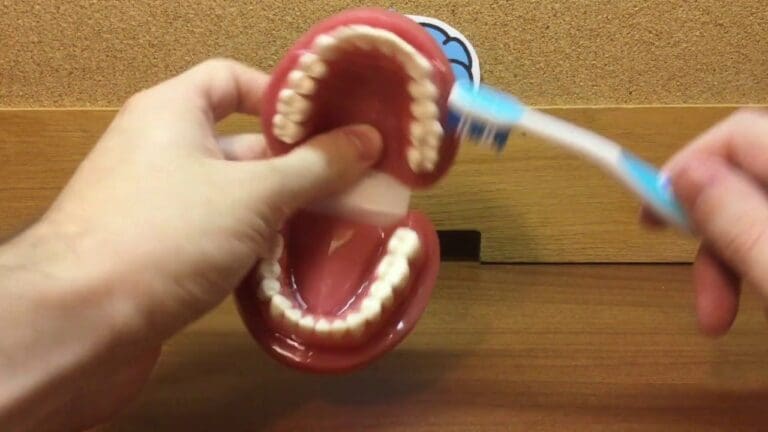
videoHow to Brush Your Teeth – Modified Bass Technique
The modified bass technique aims to clean where plaque hides most, right along the gumline, while protecting the gums. Plaque…
Japan begins clinical trials for tooth regrowth treatment
Japanese researchers have initiated clinical trials for a groundbreaking tooth regrowth treatment, aiming to enable the natural regeneration of teeth…

Drug to regrow teeth moves closer to clinical use
A drug that blocks the USAG-1 protein could enable natural tooth regrowth in humans. Kitano Hospital reports that an investigator-initiated Phase I trial is underway at Kyoto University Hospital (Ki-CONNECT) from September 2024 to August 2025. The researchers aim to make the treatment available by 2030 for people with congenital tooth loss.
New light activated nanoparticle hydrogel may whiten teeth and fight decay without harming enamel
Researchers report a gel that could both whiten teeth and reduce harmful oral bacteria, without the enamel damage linked to…
Alzheimer’s trial drug tideglusib helps rat teeth regrow dentin
In King's College London studies, tideglusib, a drug first tested for Alzheimer's disease, made mouse and rat teeth fill drilled holes with new dentin. A 2025 dog study found more inflammation and no extra repair.
Various Health
All Various Health (35) »A new cholesterol pill cut bad cholesterol by about 60% in a large trial
CORALreef Lipids is now peer-reviewed in the NEJM (4 February 2026): once-daily oral enlicitide decanoate on top of statins in most participants cut LDL cholesterol by about 56 percentage points versus placebo at 24 weeks, with similar short-term adverse-event rates in the trial. Cardiovascular outcome benefit for this oral drug is still unproven until CORALreef Outcomes reports.
HSL helps maintain fat tissue from inside the nucleus
A Cell Metabolism study (first published online 23 October 2025) reports that hormone-sensitive lipase (HSL) is active on fat droplets and in fat-cell nuclei, where it helps maintain adipose tissue. In the mouse models and rare human HSL-deficiency cases described in the paper, the phenotype is lipodystrophy (abnormal loss or redistribution of fat tissue), not obesity. The work reframes how too much and too little functional fat tissue can both strain metabolism. It does not replace medical or lifestyle advice or prove any new treatment.
Bedroom night light ties to higher heart and stroke risk
In 88,905 adults followed with wrist light sensors, brighter nights were tied to higher future risks of coronary disease, heart attack, heart failure, atrial fibrillation, and stroke under the paper's primary model 3 (demographics, socioeconomic factors, physical activity, smoking, alcohol, diet, and urbanicity). That pattern is association, not proof that your bedroom lamp causes disease. A lab study in healthy young adults found one night of moderate room light during sleep caused a higher nighttime heart rate and lower heart-rate variability and showed higher HOMA-IR, higher 30-minute insulin area under the curve, and a lower Matsuda index the next morning versus very dim light. For everyday sleep space habits, the CDC recommends a cool, dark, quiet bedroom and limiting bright artificial light before bed.
Long COVID brain fog linked to a change in brain cell receptors
Long COVID brain fog linked to higher AMPA receptors on PET scans; new study points to a biological marker and possible AMPAR-targeted treatments.
People do not die of old age: aging weakens the body and disease causes death
A common phrase says someone “died of old age.” Medicine says otherwise. Doctors do not certify “old age” as a…
HIV vaccine research shows early human signals, but no vaccine yet
After more than four decades of work, there is still no approved HIV vaccine. Recent large trials that tried to…
videoMedCircle: mental health interviews with psychiatrists & psychologists
Mental health interviews with world-class psychiatrists & psychologists, providing mental health advice packed with actionable takeaways and clear explanations of…
Walking over 100 minutes a day tied to 23% less chronic back pain
A Norwegian study of 11,194 adults found that those who walked more than 100 minutes a day were 23% less likely to develop chronic low back pain over about four years than those who walked under 78 minutes. Walking time mattered more than pace.
Sure Shot says its drink lowers blood alcohol within 30 minutes
Sure Shot's maker says its drink lowers blood alcohol within 30 minutes. A company-funded trial published in 2025 found blood alcohol 12% to 15% lower than with a placebo over four hours, with no next-day hangover data.