

Teeth
Advanced oral hygiene techniques and preventive care. Research evaluates the effectiveness of specific brushing methods, interdental tools, and orthodontic solutions to maintain gum health and structural integrity.
Essentials
Clear aligners suit mild crowding, braces fix complex bites
Clear aligners such as Invisalign and fixed braces both straighten teeth. A 2019 meta-analysis found similar finished results and shorter aligner treatment, while braces remain the broader tool for complex bite corrections.
Dental Care
TePe interdental brushes help many people clean between teeth better than floss
Interdental brushes are very small brushes that clean the spaces between teeth. These spaces often hold sticky plaque, which can…
End tuft toothbrush for teeth cleaning, helps remove dental plaque at the gum line and around braces
An end tuft toothbrush, also called a single tuft toothbrush, is a very small brush made for tooth brushing in…
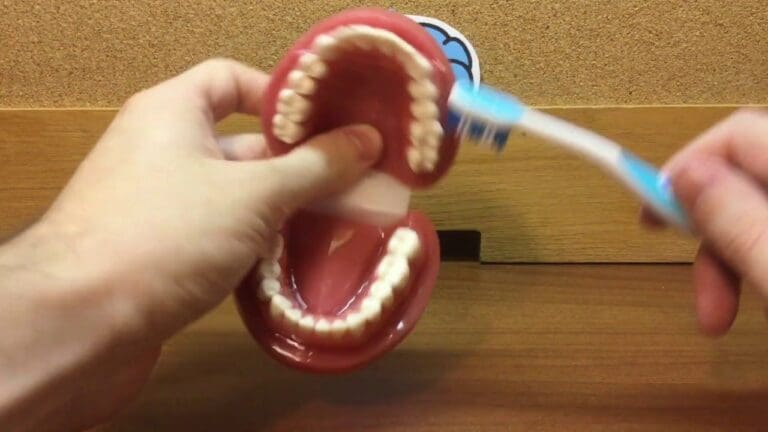 video
How to Brush Your Teeth – Modified Bass Technique
The modified bass technique aims to clean where plaque hides most, right along the gumline, while protecting the gums. Plaque…
Japan begins clinical trials for tooth regrowth treatment
Japanese researchers have initiated clinical trials for a groundbreaking tooth regrowth treatment, aiming to enable the natural regeneration of teeth…
Lab Research

Drug to regrow teeth moves closer to clinical use
A drug that blocks the USAG-1 protein could enable natural tooth regrowth in humans. Kitano Hospital reports that an investigator-initiated Phase I trial is underway at Kyoto University Hospital (Ki-CONNECT) from September 2024 to August 2025. The researchers aim to make the treatment available by 2030 for people with congenital tooth loss.
New light activated nanoparticle hydrogel may whiten teeth and fight decay without harming enamel
Researchers report a gel that could both whiten teeth and reduce harmful oral bacteria, without the enamel damage linked to…
Alzheimer’s trial drug tideglusib helps rat teeth regrow dentin
In King's College London studies, tideglusib, a drug first tested for Alzheimer's disease, made mouse and rat teeth fill drilled holes with new dentin. A 2025 dog study found more inflammation and no extra repair.