

Stress
Investigating the links between stress, emotional management, and cognitive performance. Research evaluates evidence-based interventions to stabilize the nervous system and manage anxiety.
Level 1
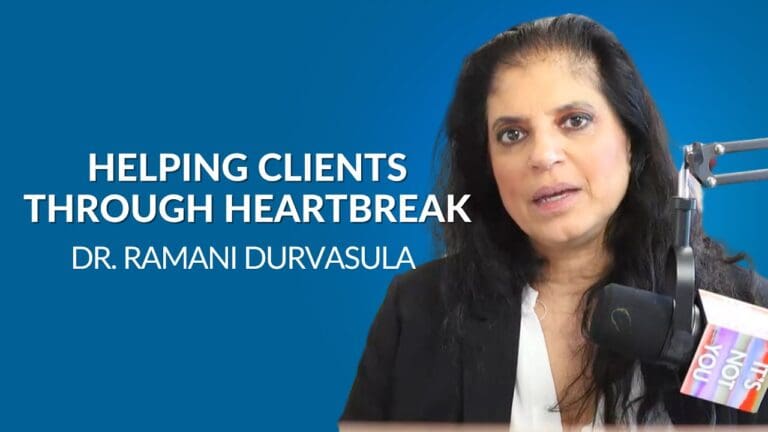 video
videoMedCircle: mental health interviews with psychiatrists & psychologists
Mental health interviews with world-class psychiatrists & psychologists, providing mental health advice packed with actionable takeaways and clear explanations of…
Walking is the simplest way to lose fat and keep it off
Walking works for fat loss because most people can do it every day without pain or fear. It builds a…
 video
videoUnderstanding women’s menstrual cycles: how hormones impact mood and behavior
A menstrual cycle typically lasts 28-32 days, this varies among women.Day 1 is the first day of bleeding, lasting 3-7…
Physical activity reduces the risk of developing depression
A meta-analysis of 49 studies involving over 266,000 participants found that higher levels of physical activity significantly reduce the risk…
The ideal free time would be 2 to 5 hours/day
As an individual’s free time increases, so does that person’s sense of well-being – but only up to a point.…
Level 2
Panic attacks: sour candy and cold exposure may quickly calm a panic spike
Sour candy for panic attacks On a Reddit conversation titled “What’s a crazy body life hack everyone should know?”, a…
 video
videoListening to theta binaural beats may help calm and sleep
Binaural beats are a sound effect made by playing two slightly different tones, one in each ear. The brain perceives…
Taking strategic breaks every 90 minutes keeps the brain sharp
An anonymous Redditor claiming to be a cognitive scientist posted the following message in r/Biohackers: As a cognitive scientist, I’ve…
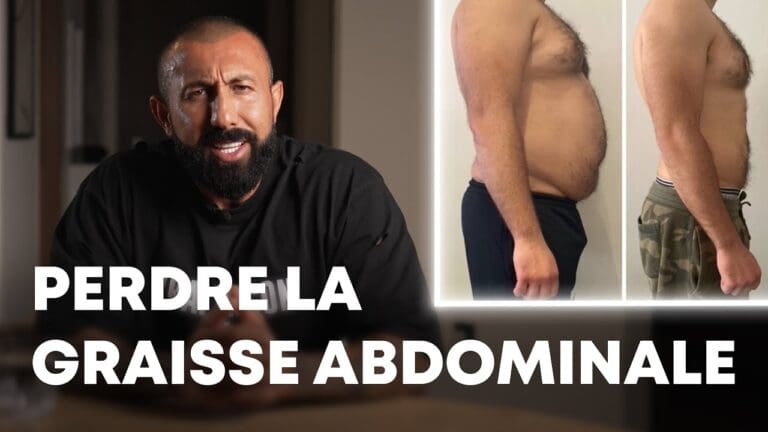 video
videoLosing weight permanently
How to Lose Fat and Slim Down? Doing cardio, crunches, and core exercises can help, but it’s often not enough.…
Venting does not reduce anger, but cognitive reappraisal does
Lowering arousal, not venting, is key to anger management New research from Ohio State University, published in Clinical Psychology Review,…
 video
videoExercise, sauna and ice bath: exploring the health benefits of adversity mimetics, exercise, and temperature exposure
The importance of exercise and adversity mimetics in activating longevity pathways. David Sinclair explains how vigorous exercise, intermittent fasting, and…
Level 3
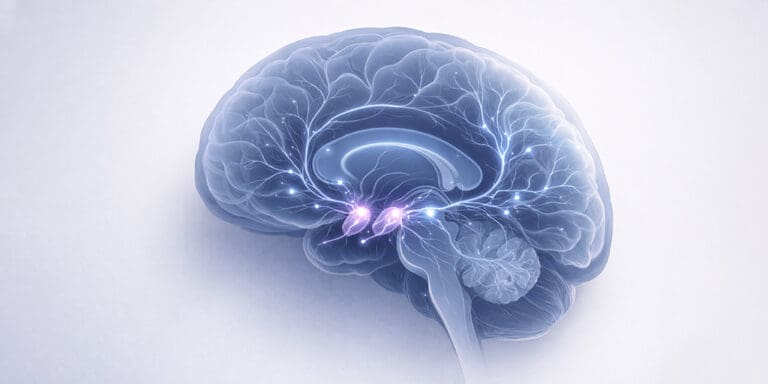
Normalizing GRIK4 gene dosage reverses anxiety by rebalancing amygdala neurons
Researchers identified regular-firing neurons in the centrolateral amygdala that drive anxiety behaviors. Normalizing GRIK4 gene dosage in basolateral amygdala pyramidal cells reversed anxiety, depression, and social deficits in mice overexpressing the gene, suggesting a targeted treatment approach for anxiety disorders.
Childhood trauma linked to smaller hippocampus after romantic breakups
A new study links romantic breakups to smaller hippocampal brain volume in adults with childhood trauma, showing how early adversity heightens stress sensitivity.
Lucid dreaming: induction methods, benefits, and scientific research
Lucid dreaming is a phenomenon where the dreamer becomes aware they are dreaming and may even gain control over the…
Scientists find brain network twice as large in depressed people
Scientists have discovered that the salience network, a set of brain regions that decides what you focus on and how…
Gene variant linked to heightened anxiety levels
Researchers have identified a gene variant, ADRB1, that may contribute to increased anxiety levels. This variant affects the brain’s adrenergic…
Men’s well-being requires more than popular self-care trends
While self-care trends like ice baths and podcasts are gaining popularity among men, they are insufficient to address deeper emotional…