

Alcohol
Analyzing the world’s most institutionalized drug, known for unmatched social benefits and devastating biological costs.
Plain Facts
Light drinking raises cancer risk and is tied to a smaller brain
WHO places alcohol in the top group of cancer causes and finds no safe level. In 36,678 UK adults, even one to two units a day went with lower brain volume, a link that does not prove cause.
Refusing alcohol often requires justification in social settings
In France, individuals who refuse alcohol, whether for health reasons, pregnancy, or religious beliefs, often feel pressured to explain their…
Not smoking, exercise and varied food raise odds of living to 100
In a Chinese study of adults over 80, those who did not smoke, exercised, and ate a varied diet had 61% higher odds of reaching 100. Healthy habits still seem to count late in life.
Study Findings
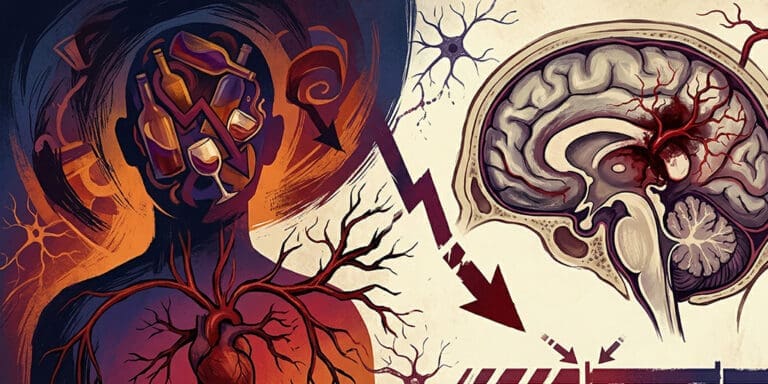
Heavy drinking is linked to earlier brain bleeding
In 1,600 people already hospitalized with spontaneous brain bleeds, heavy regular drinking was associated with earlier median age at onset (64 vs 75 years), larger hematomas, and MRI patterns suggesting more advanced small-vessel disease versus the non-HAU cohort. The Neurology study is cross-sectional and single-center, so it reports associations in admitted patients, not proof of direct causation for each finding.
Mice whose fathers drank alcohol before conception age faster
Male mice that drank alcohol for six weeks before mating had offspring with aged brain and liver cells and more liver scarring by middle age. The damage was worst when both parents drank.

Sleep deprivation impairs driving more than legal alcohol limits
A study comparing sleep deprivation and alcohol on driving performance found that 24 hours of wakefulness impairs drivers more than being slightly above the legal alcohol limit. Sleep deprivation leads to slower reaction times, reduced lane control, and attention lapses. Coffee fails to improve driving performance, and drivers tend to underestimate their level of impairment.
Five familiar habits can add a decade of disease-free life after 50
Sticking with five well-known behaviors, eating a plant-rich diet, exercising regularly, keeping weight in the healthy range, limiting alcohol and…

Heavy drinking wrecks sleep, and poor sleep makes it harder to quit
Chronic alcohol use creates long-lasting changes in sleep architecture that persist even after abstinence. Alcohol initially reduces sleep latency and enhances slow-wave sleep, but later disrupts sleep quality. These sleep disturbances, especially insomnia and REM sleep abnormalities, significantly increase relapse risk in alcohol dependence. Treating sleep disorders may improve recovery outcomes.
Lab Science
 video
videoDr Réginald Allouche blames an overloaded liver for weight gain
Dr Réginald Allouche argues that an overloaded liver drives weight gain. European guidelines confirm the link in the other direction: losing 5% to 10% of body weight clears liver fat and can reverse liver damage.
Sure Shot says its drink lowers blood alcohol within 30 minutes
Sure Shot's maker says its drink lowers blood alcohol within 30 minutes. A company-funded trial published in 2025 found blood alcohol 12% to 15% lower than with a placebo over four hours, with no next-day hangover data.
A one-time gene therapy cut heavy drinking by over 90% in monkeys
In a Nature Medicine study, one GDNF gene infusion into the brain's reward area cut drinking by more than 90% in heavy-drinking monkeys over a year. It requires brain surgery and has not been tested in people.
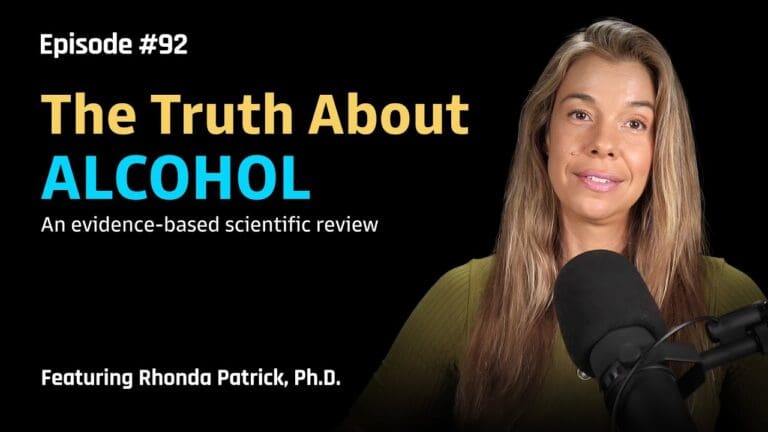 video
videoWhat the evidence actually says about alcohol and your health
This podcast episode dives deep into the complex relationship between alcohol and health. It covers a wide range of topics,…
Carbonated drinks satisfy because the mouth turns CO2 into acid
An enzyme in the mouth turns the CO2 in carbonated drinks into acid, which triggers pain nerves and sour-taste cells. Bubbles add to the sting, and in thirsty adults fizzy water quenched thirst better than still water.
Alcohol-free wine is gaining popularity as drinkers cut back without giving up the ritual
The dealcoholized wine market is attracting more and more French producers as traditional wine consumption declines. Renowned winemakers are adapting…