

Biotech
Scientific advances in cellular engineering and regenerative medicine: the development of bio-computers, artificial muscles, and the use of stem cells and light-activated systems to restore human biological functions.
Basics
 video
videoJoël de Rosnay says five daily habits change how genes are read
In the 2018 book La Symphonie du vivant, Joël de Rosnay argues that food, exercise, stress, pleasure, and social ties change which genes cells use. Human studies back diet and exercise best; pleasure is barely tested.
Clinical Results

A new cholesterol pill cut bad cholesterol by about 60% in a large trial
CORALreef Lipids is now peer-reviewed in the NEJM (4 February 2026): once-daily oral enlicitide decanoate on top of statins in most participants cut LDL cholesterol by about 56 percentage points versus placebo at 24 weeks, with similar short-term adverse-event rates in the trial. Cardiovascular outcome benefit for this oral drug is still unproven until CORALreef Outcomes reports.

Sydney hospital freezes tumours through a needle under live MRI
Liverpool Hospital in south-west Sydney opened an interventional radiology suite in September 2025 where doctors freeze selected tumours with a needle while watching them on live MRI. One patient with a 9 mm spinal tumour was pain-free the next day. No patient numbers have been published.
 video
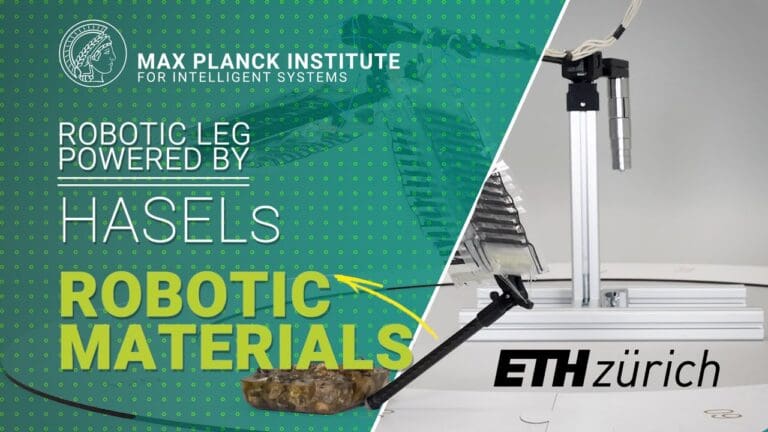
videoBreakthrough in robotics: artificial muscles developed for robots
Artificial muscles enable robotic leg to walk and jump autonomously Scientists at the Max Planck Institute have developed artificial muscles…
Lab Breakthroughs

Partial reprogramming shifted lab skin cells toward younger clocks
In a 2022 eLife study, researchers at the Babraham Institute and partner institutions used 13 days of maturation-phase transient reprogramming on middle-aged donors' skin fibroblasts and reported roughly thirty-year shifts on custom transcript and DNA methylation clocks, plus collagen-related signals and partial gains in a scratch-wound assay. Cells regained fibroblast identity in the dish; telomere lengthening was not seen on the methylation-based estimate used. FDA later cleared a separate company-sponsored phase 1 gene-therapy trial based on partial epigenetic reprogramming for optic neuropathies; starting that trial is not proof of anti-aging benefit in humans.

Memory rejuvenation restored recall in mice
An EPFL Neuron study found that brief OSK gene activation in memory-trace neurons improved recall in aged and Alzheimer's-model mice. The result suggests some memory decline may reflect aging neurons rather than erased memories, but it does not show human memory restoration.

A fully synthetic scaffold grows brain-like tissue without animal coatings
UC Riverside researchers report a fully synthetic scaffold that grows functional brain-like tissue without animal-derived materials or added biological coatings.
Vision gains in early dry AMD stem cell transplant trial
An open-label phase 1/2a report in Cell Stem Cell covers the first six participants in the lowest-dose arm of a donor-derived RPE stem cell trial for geographic atrophy. Chart scores in the poorest-vision group rose on average at a 12-month visit, and the better-vision group showed a modest average gain at six months, but the cohort is too small and too early to treat as proof of efficacy or as standard care.
HIV vaccine research shows early human signals, but no vaccine yet
After more than four decades of work, there is still no approved HIV vaccine. Recent large trials that tried to…
China’s brain link flies a drone and gets better as you use it
A person flew a drone using only their thoughts, with a device researchers call the first two-way brain-computer interface: a memristor chip that adapts along with the brain and cuts energy use sharply.