

Biotech
Scientific advances in cellular engineering and regenerative medicine: the development of bio-computers, artificial muscles, and the use of stem cells and light-activated systems to restore human biological functions.
Basics
 video
videoJoël de Rosnay says five daily habits change how genes are read
In the 2018 book La Symphonie du vivant, Joël de Rosnay argues that food, exercise, stress, pleasure, and social ties change which genes cells use. Human studies back diet and exercise best; pleasure is barely tested.
Clinical Results

A new cholesterol pill cut bad cholesterol by about 60% in a large trial
CORALreef Lipids is now peer-reviewed in the NEJM (4 February 2026): once-daily oral enlicitide decanoate on top of statins in most participants cut LDL cholesterol by about 56 percentage points versus placebo at 24 weeks, with similar short-term adverse-event rates in the trial. Cardiovascular outcome benefit for this oral drug is still unproven until CORALreef Outcomes reports.

Sydney hospital freezes tumours through a needle under live MRI
Liverpool Hospital in south-west Sydney opened an interventional radiology suite in September 2025 where doctors freeze selected tumours with a needle while watching them on live MRI. One patient with a 9 mm spinal tumour was pain-free the next day. No patient numbers have been published.
 video
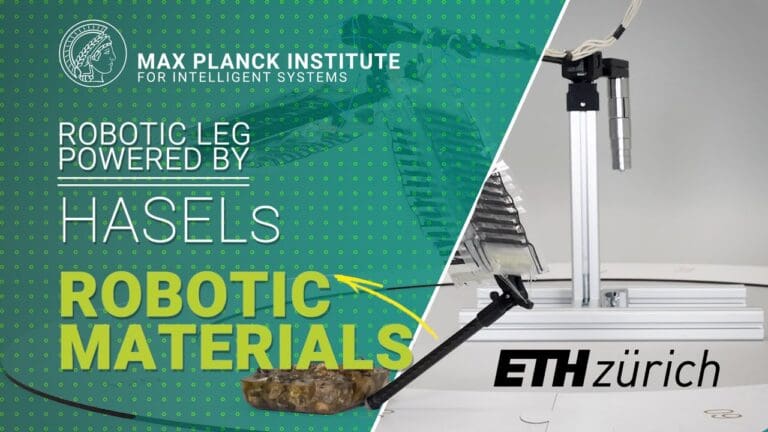
videoBreakthrough in robotics: artificial muscles developed for robots
Artificial muscles enable robotic leg to walk and jump autonomously Scientists at the Max Planck Institute have developed artificial muscles…
Lab Breakthroughs
 video
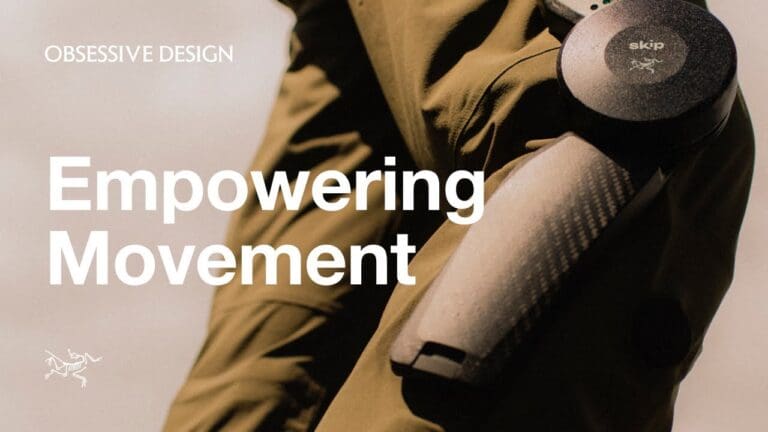
videoRobotic hiking pants boost leg strength by 40%
A Canadian company has developed robotic hiking pants with an exosqueleton, offering a 40% boost to knee joints during uphill…
 video
videoTechnologies that could change how we age in the coming years
the rapid advancements in anti-aging medicine, emphasizing the potential of wearables, implantable devices, and biological age clocks to transform healthcare.…
Scientists see a crack in platinum heal itself for the first time
Sandia and Texas A&M researchers watched a nanoscale fatigue crack in platinum fuse shut on its own in a vacuum, confirming a 2013 simulation (Nature, 2023). Whether ordinary metals in air can heal is unknown.
 video
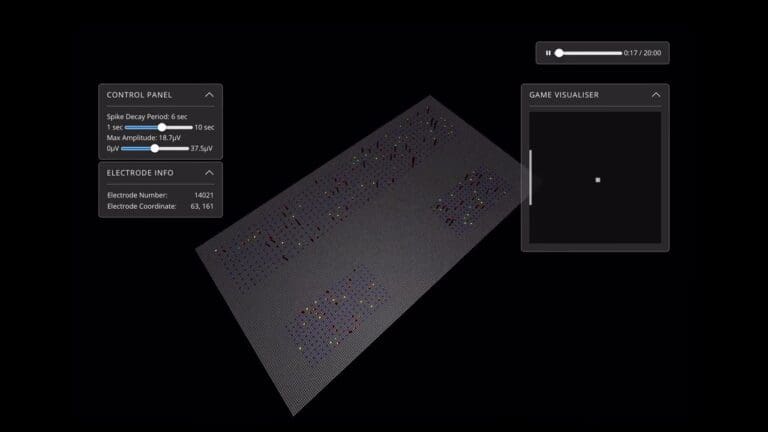
videoFinalSpark rents out human brain cell computers for $500 a month
In 2024, Swiss start-up FinalSpark rented universities remote access to living human brain organoids for $500 a month. Its peer-reviewed paper describes the setup, built to test whether neurons can compute with far less energy than chips.
Scientists use living fungus to steer a robot
Researchers have created biohybrid robots using fungal mycelia, which are robust and responsive to environmental cues. These living components generate…
Scientists stored data equivalent to 1,000 computers on a single strand of DNA
Advances in DNA Computing: Achieving Functional DNA-Based Logic Gates Researchers have made significant progress in DNA computing by developing functional…