

Biotech
Scientific advances in cellular engineering and regenerative medicine: the development of bio-computers, artificial muscles, and the use of stem cells and light-activated systems to restore human biological functions.
Basics
 video
Joël de Rosnay says five daily habits change how genes are read
In the 2018 book La Symphonie du vivant, Joël de Rosnay argues that food, exercise, stress, pleasure, and social ties change which genes cells use. Human studies back diet and exercise best; pleasure is barely tested.
Clinical Results

A new cholesterol pill cut bad cholesterol by about 60% in a large trial
CORALreef Lipids is now peer-reviewed in the NEJM (4 February 2026): once-daily oral enlicitide decanoate on top of statins in most participants cut LDL cholesterol by about 56 percentage points versus placebo at 24 weeks, with similar short-term adverse-event rates in the trial. Cardiovascular outcome benefit for this oral drug is still unproven until CORALreef Outcomes reports.

Sydney hospital freezes tumours through a needle under live MRI
Liverpool Hospital in south-west Sydney opened an interventional radiology suite in September 2025 where doctors freeze selected tumours with a needle while watching them on live MRI. One patient with a 9 mm spinal tumour was pain-free the next day. No patient numbers have been published.
 video
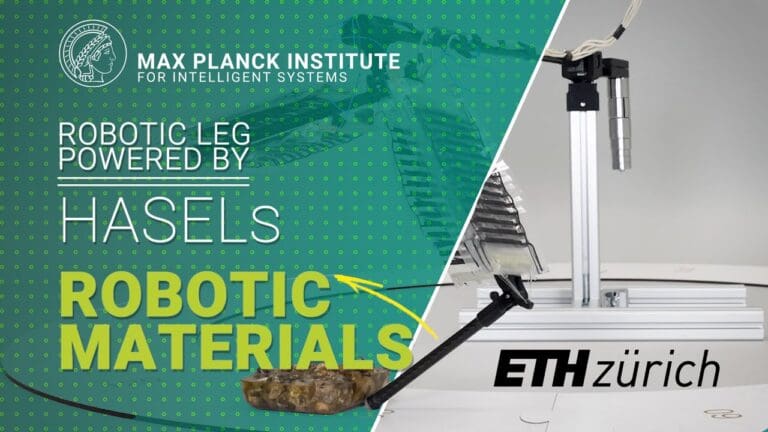
Breakthrough in robotics: artificial muscles developed for robots
Artificial muscles enable robotic leg to walk and jump autonomously Scientists at the Max Planck Institute have developed artificial muscles…
Lab Breakthroughs
 video
Only about 2 in 100 cloned dog embryos become live puppies
Hwang Woo-suk's dog cloning lab reports that a little more than 2% of cloned embryos become live puppies. A former Sooam Biotech employee says the surrogate dogs behind each clone suffer, which is why she quit.
Tiny carbon tubes could make AI chips faster and more brain-like
Researchers are using carbon nanotubes to improve neuromorphic computing, a field of AI that mimics the human brain’s neural networks.…
Injectable nanobots could deliver drugs to exact spots in the body
Recent advancements in nanotechnology have led to the creation of tiny robots, or nanobots, that can be injected into the…
Evo AI predicts gene mutations and could speed up bio design
Evo AI predicts the effects of gene mutations across DNA, RNA, and proteins, a step that could speed disease research and synthetic biology.

Drug to regrow teeth moves closer to clinical use
A drug that blocks the USAG-1 protein could enable natural tooth regrowth in humans. Kitano Hospital reports that an investigator-initiated Phase I trial is underway at Kyoto University Hospital (Ki-CONNECT) from September 2024 to August 2025. The researchers aim to make the treatment available by 2030 for people with congenital tooth loss.
Glowing trees are still far too dim to replace street lights
Daan Roosegaarde proposed glowing trees in place of street lamps. Plants that glow on their own now exist, but their light is still far weaker than ordinary night lighting.