

Neuroscience
Insights into the biological foundations of consciousness and the human experience.
Brain Basics
Virtual avatars rewire body perception and ease trauma through brain plasticity
When people use virtual reality (VR) to embody avatars, such as taller, younger, or more muscular versions of themselves, their…
We create a false self in early life to meet external expectations and cope with childhood experiences – James Hollis
James Hollis explores the psychological and spiritual upheaval of midlife as a necessary and meaningful rite of passage. Drawing from…
Learning a second language early strengthens brain connections and efficiency
Learning a second language is linked to a more efficient brain network. A research team reports that people who speak…
Psychological abuse leaves real trauma effects
Psychological abuse and coercive control are linked to PTSD, depression, and measurable trauma-related brain changes. The evidence is strong, but it does not show identical or permanent damage in every survivor.

Learning multiple new skills can produce test scores comparable to adults 30 years younger
Older adults who learn multiple new skills simultaneously can achieve cognitive performance similar to adults 30 years younger. A UC Riverside study found that 3 months of intensive learning improved memory, attention, and cognitive control, with gains maintained up to one year later.
Brain Habits

Introspection provides our most direct contact with physical reality
Some authors argue introspection is our least sensory-mediated access to experience. But introspective reports are not direct neural measurement, and they can be unreliable.
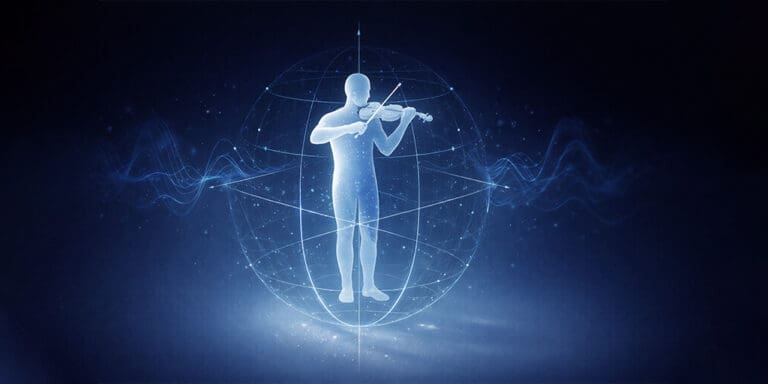
Musical training is linked to better body orientation without vision
In a small lab study, musicians showed less disorientation on a blindfolded stepping task compared to non-musicians.

Flow state explains how deep focus boosts happiness and performance
Flow state is a deep immersion that boosts performance and mood. Learn how to achieve flow state using psychology and neuroscience to get in the zone.
 video
videoHigh brain activity and micro-awakenings explain why some people remember dreams better
High brain activity in the temporo-parietal junction causes micro-awakenings that let some people remember dreams, while deep sleepers forget them.
Artificial sweeteners may speed cognitive decline
A large observational study linked higher intake of several artificial sweeteners to faster cognitive decline over about eight years, but it did not prove causation.
 video
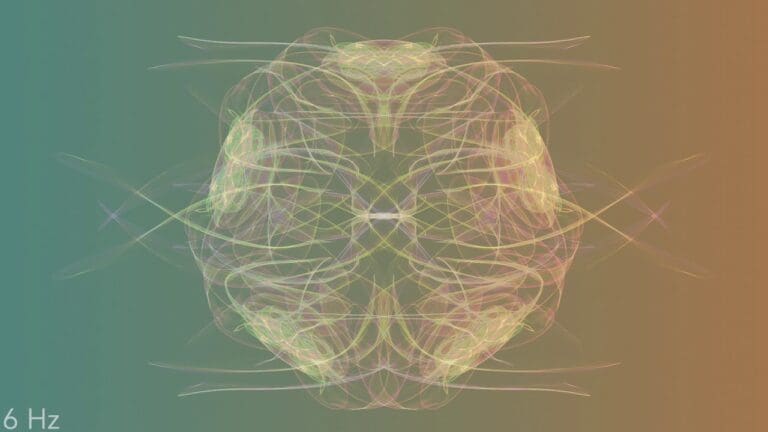
videoListening to theta binaural beats may help calm and sleep
Binaural beats are a sound effect made by playing two slightly different tones, one in each ear. The brain perceives…
Brain Research
Higher cognitive ability is statistically linked to more liberal views
Genetic predictors of intelligence linked to liberal political beliefs A study investigated the relationship between intelligence and political beliefs using…
What happens in your brain during a creative flow state
Creative flow, a state where individuals become fully immersed and lose track of time during creative tasks, is linked to…
Scientists saw the brain physically change shape during the menstrual cycle for the first time
Scientists have, for the first time, observed structural changes across the entire brain during menstruation, with fluctuations linked to hormone…
Flashing lights and rhythmic sounds may sharpen brain function
Systematic review suggests that brain stimulation through light and sound can enhance cognitive and motor functions, potentially aiding in the…
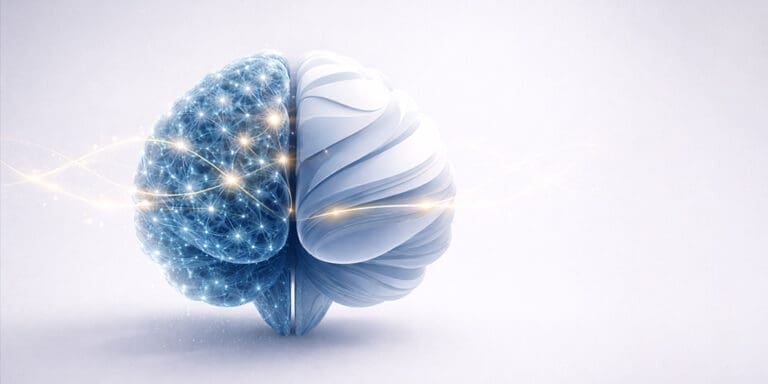
Your brain shifts how it works to stay efficient during hard tasks
A PNAS study suggests that during coherent story listening, brain activity patterns can become easier to decode and easier to compress than during temporally scrambled story audio or rest. This is not mind-reading, but it may help explain how the brain balances detail with robustness to noise.
Consciousness could be connected with the whole universe
Recent research explores the possibility that human consciousness could be linked to quantum processes in the brain’s microtubules. This theory…