

Sleep - All posts
This archives page shows all posts of this category. Go back to category guide: Sleep »
Bedroom night light ties to higher heart and stroke risk
In 88,905 adults followed with wrist light sensors, brighter nights were tied to higher future risks of coronary disease, heart attack, heart failure, atrial fibrillation, and stroke under the paper's primary model 3 (demographics, socioeconomic factors, physical activity, smoking, alcohol, diet, and urbanicity). That pattern is association, not proof that your bedroom lamp causes disease. A lab study in healthy young adults found one night of moderate room light during sleep caused a higher nighttime heart rate and lower heart-rate variability and showed higher HOMA-IR, higher 30-minute insulin area under the curve, and a lower Matsuda index the next morning versus very dim light. For everyday sleep space habits, the CDC recommends a cool, dark, quiet bedroom and limiting bright artificial light before bed.
 video
videoListening to theta binaural beats may help calm and sleep
Binaural beats are a sound effect made by playing two slightly different tones, one in each ear. The brain perceives…
Sleep twitches at dozing off are common and usually harmless
Many people feel a sudden jolt just as they are falling asleep. Doctors call this a hypnic jerk, also named…

Sleeping naked is not proven to extend lifespan
Headlines that tie nudity to extra years of life are not backed by serious longevity research. What holds up in sources is narrower: heat at night often fragments sleep, public health pages recommend a cool bedroom, and one home-based study in community-dwelling older adults points to a 20-25 °C band under nonlinear models with large person-to-person differences. Choosing pajamas is personal; comfort and room temperature matter more than anti-aging slogans.
Lucid dreaming: induction methods, benefits, and scientific research
Lucid dreaming is a phenomenon where the dreamer becomes aware they are dreaming and may even gain control over the…
 video
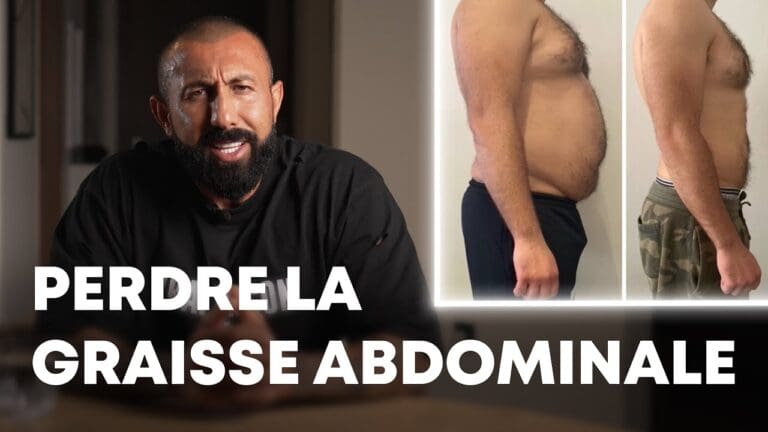
videoLosing weight permanently
How to Lose Fat and Slim Down? Doing cardio, crunches, and core exercises can help, but it’s often not enough.…
 video
videoOzlo Sleepbuds mask noise and stream audio to help you sleep
Ozlo Sleepbuds use noise masking and a secure fit to block snoring and traffic. They now stream your audio and switch to sleep sounds when you doze off.
Loop Dream sleep earplugs reduce low noise and help light sleepers sleep through the night
Loop has released Dream, a pair of reusable sleep earplugs that aim to block low, irregular nighttime sounds while staying…
Startup says two people sent a word to each other while dreaming
A California startup reports that two lucid dreamers exchanged a simple message while asleep. According to the announcement, sensors confirmed…