

Exercise
Strength training is now recognized as essential for human health, and is a mandatory requirement in WHO guidelines. Beyond physical longevity, lifting weights triggers neurological growth and stabilizes emotions for sharper cognitive performance.
Fundamentals
Not smoking, moving regularly, and eating varied foods add the most years to your life
A study published in JAMA Network Open found that non-smoking, regular exercise, and a diverse diet significantly increase the likelihood…
Lifting weights builds muscle and may sharpen your thinking too
A new study reveals that weight training not only builds muscle but also boosts brain function. Regular resistance exercises have…
 video
videoHow strong your muscles are may be the single best marker of overall health
Video (in French) According to Professor Martine Duclos, endocrinologist. Muscle strength is a good marker of a person’s health, particularly…
WHO: adults need 150 to 300 minutes of moderate exercise per week
The WHO recommends adults engage in at least 150–300 minutes of moderate-intensity exercise or 75–150 minutes of vigorous-intensity physical activity…
About 30 to 40 minutes of daily exercise can offset long hours of sitting
Spending many hours seated is linked with a higher risk of early death. Evidence shows that about 30 to 40…
Strength training clearly outperforms cardio for fat loss and metabolic health
Strength- or resistance-based exercise builds muscle that keeps burning energy even when you rest. New research shows this type of…
Muscular strength found more crucial than cardio for longevity
Running, aerobic fitness has heart-boosting effects. Weight lifting are associated with lower overall rates of death and negative cardiovascular events. Moderate to vigorous physical activity, 1h+/week, significantly reduces mortality risk.
Diet plays a bigger role in weight loss than exercise
Role of physical activity in weight loss for people with obesity remains modest but beneficial Exercise, particularly aerobic training, contributes…
Optimizations
 video
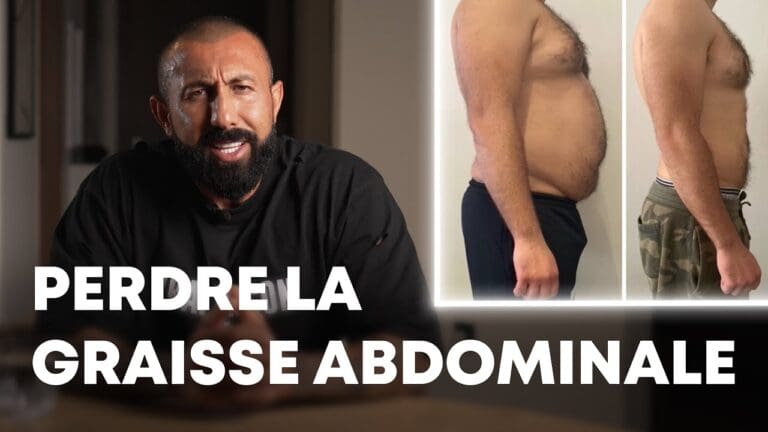
videoLosing weight permanently
How to Lose Fat and Slim Down? Doing cardio, crunches, and core exercises can help, but it’s often not enough.…
Short burst walking burns more energy than steady walking
Short burst walking uses 20–60% more energy than steady walking. Learn how brief bouts raise oxygen cost and how to use walking breaks to burn more.
Intermittent walking: brief pauses burn extra energy for better health
Intermittent walking may boost walking benefits by raising energy burn 20–60%. Learn who it helps, how to try it, and key limits of the evidence.
As few as four sets per week can grow muscle, and one set can build strength, study suggests
A large research review has modeled how weekly training sets relate to muscle size and strength. The authors combined many…
Walking outside brings extra mental benefits, the treadmill stays a safe and easy backup
Walking, whether outdoors or indoors, is good for your body and mind. Experts say that going outside adds useful variety…
Fitness director: Three simple strength moves can help you stay independent longer
A fitness director who works in a longevity clinic recommends three simple compound exercises for healthy aging: These moves use…
Emerging
Overhead extensions build more tricep muscle than cable pushdowns, by 40%
New research indicates that overhead tricep extensions are significantly more effective at building muscle compared to cable pushdowns, with up…
Experimental pill “SLU-PP-332” mimics endurance training, burns fat and keeps muscle
Researchers in the United States have created an experimental compound called SLU-PP-332 that tells skeletal muscle to behave as if…

Even five minutes of running a day is linked to longer life
Running as little as five minutes daily is associated with 30% lower all-cause mortality and 45% lower cardiovascular mortality compared to non-runners, according to a study tracking over 55,000 adults for 15 years.