

Exercise
Strength training is now recognized as essential for human health, and is a mandatory requirement in WHO guidelines. Beyond physical longevity, lifting weights triggers neurological growth and stabilizes emotions for sharper cognitive performance.
Fundamentals
Walking is the simplest way to lose fat and keep it off
Walking works for fat loss because most people can do it every day without pain or fear. It builds a…
Walking at the right time helps you reach 12 percent body fat
Most people try to lose fat with hard cardio, but low-intensity walking can work better when you do it at…
Ultra-processed foods linked to weaker muscles and higher fat in thighs
A UCSF study finds eating ultra-processed foods adds fat to thigh muscles, making them weaker and raising arthritis risk, even if you exercise.
Walking like the most active people could add 5 to 11 years to life
A new study finds that matching the activity level of the top 25% of Americans could add 5 years to life expectancy, and up to 11 years for the inactive.
An hour of exercise may add five or more hours to life, and also improves focus and mood
Regular physical activity is one of the most reliable habits linked with longer life. Large population studies report that even…
Physical activity strengthens immune defenses through improved circulation
A study published in the Scandinavian Journal of Medicine & Science in Sports highlights that moderate physical activity, such as…
Lifting weights boosts brain function
Contrary to the stereotype of weightlifting being associated with brute strength, research shows that regular weight training can improve…
Physical activity reduces the risk of developing depression
A meta-analysis of 49 studies involving over 266,000 participants found that higher levels of physical activity significantly reduce the risk…
Weightlifting boosts focus, discipline, and mental health,and can make you richer
Weightlifting is linked to increased longevity through muscle preservation, better metabolic health, and reduced chronic disease risks. Lifting heavy weights…
Optimizations
Strength training beats running for diabetes benefits in mice
A new mouse study finds that strength training is more effective than running for improving glucose metabolism and fighting diabetes.
After 40, lifting weights is the best way to slow muscle loss
Most people start to lose small amounts of muscle in their thirties, but the decline speeds up after forty. This…
Economic development drives obesity primarily through increased calorie intake, not reduced activity
A global study examining energy expenditure and obesity across 34 populations reveals that economic development is strongly associated with increased…
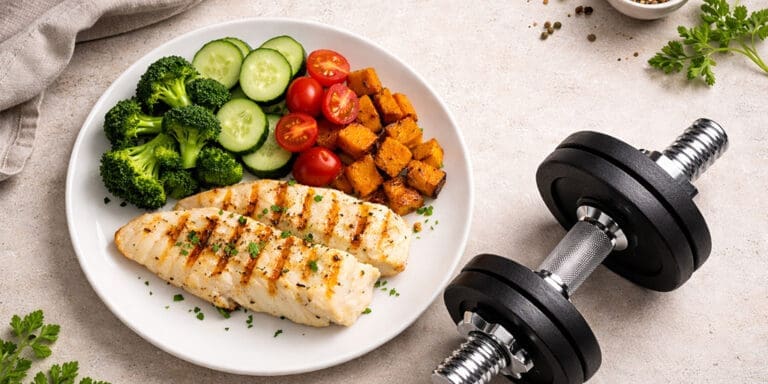
Three evidence-based rules that help people lose fat sustainably
A doctor's approach to losing fat: maintain a sustainable calorie deficit, prioritize protein at every meal, and focus on lifestyle fit over diet perfection.
Late morning workouts optimize muscle building
Late morning workouts optimize muscle building by balancing hydration, cortisol, and energy levels Muscle growth primarily depends on consistent, progressive…
Half-hour strength sessions twice a week are enough to build muscle
Why everyone needs stronger muscles From our 30s onward we gradually lose muscle tissue, a process called sarcopenia. Weaker muscles…
Emerging
New injectable drug CBL-514 may safely shrink belly fat by killing its cells
Scientists are testing a new injectable drug, CBL-514, that makes unwanted fat cells in a chosen body area self-destruct. Early…

Healing the liver to achieve sustainable weight loss without frustration by Dr. Réginald Allouche
According to Dr. Réginald Allouche, weight gain is not merely caused by overeating but by an overburdened liver that can…
 video
videoOptimal rest periods for muscle growth depend on training volume, not just time
According to the video: The NCSA claims that 30-60 seconds is the optimal rest period between sets for muscle growth.…
 video
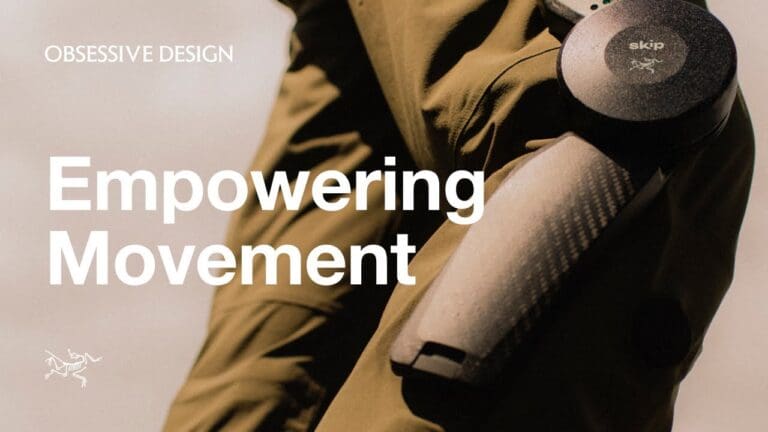
videoRobotic Hiking Pants Boost Leg Strength by 40%
A Canadian company has developed robotic hiking pants with an exosqueleton, offering a 40% boost to knee joints during uphill…
Is vigorous exercise dangerous for health?
Vigorous exercise may lead to a temporary rise in the levels of certain proteins linked to cell damage, which could…
Bicep curls and hammer curls target different muscles for balanced arm strength
Bicep curls and hammer curls target different parts of the upper arm. Bicep curls focus on the biceps brachii, enhancing…