

Biotech - All posts
This archives page shows all posts of this category. Go back to category guide: Biotech »
 video
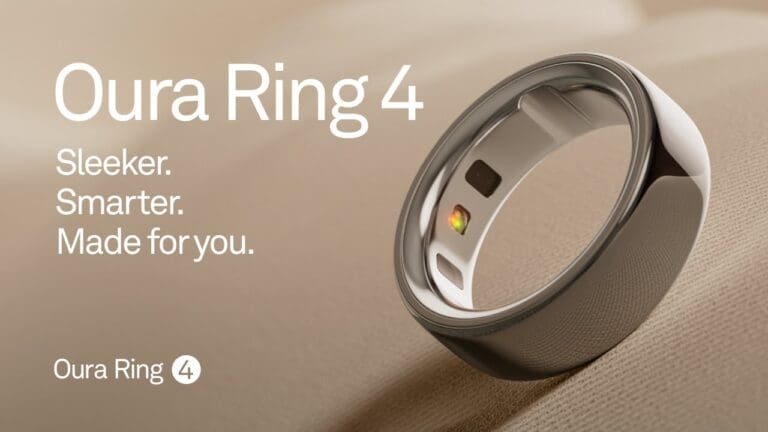
Smart Sensing technology adapts to human anatomy to solve the accuracy limits of wearable health trackers
New Smart Sensing technology uses dynamic signal pathways to adapt to human anatomy, improving the accuracy and comfort of wearable health trackers.
Scientists map every neuron and connection in an adult fly brain
Researchers have produced the first complete wiring diagram of an adult animal brain, a female fruit fly brain, showing how…
Hamster cells modified to use light for energy like plants
Scientists at the University of Tokyo successfully engineered hamster cells to use chloroplasts for photosynthesis, offering new hope for lab-grown tissues.
Princeton scientists move DNA inside living cells with light
Princeton researchers used light-controlled liquid droplets to pull chosen DNA spots together inside human cells in about two minutes, and found that DNA in the nucleus behaves like a springy liquid.
Scientists built a living computer out of engineered bacteria
Researchers developed a novel multicellular artificial neural network architecture using engineered bacterial cells. These artificial networks can solve computational problems…
 video
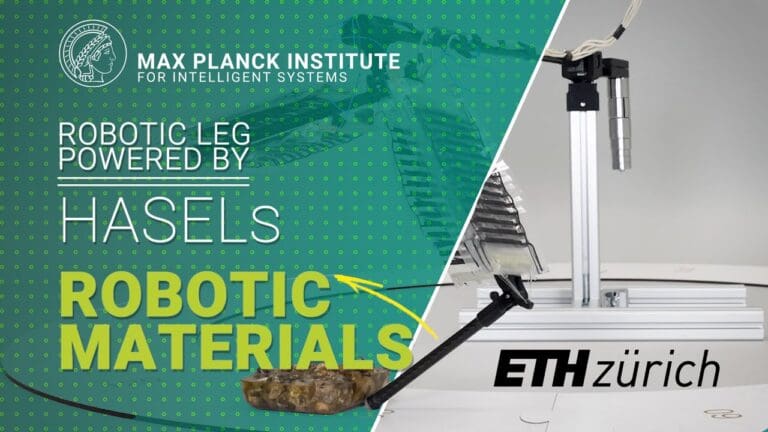
Breakthrough in robotics: artificial muscles developed for robots
Artificial muscles enable robotic leg to walk and jump autonomously Scientists at the Max Planck Institute have developed artificial muscles…
 video
Robotic hiking pants boost leg strength by 40%
A Canadian company has developed robotic hiking pants with an exosqueleton, offering a 40% boost to knee joints during uphill…
 video
Technologies that could change how we age in the coming years
the rapid advancements in anti-aging medicine, emphasizing the potential of wearables, implantable devices, and biological age clocks to transform healthcare.…
Scientists see a crack in platinum heal itself for the first time
Sandia and Texas A&M researchers watched a nanoscale fatigue crack in platinum fuse shut on its own in a vacuum, confirming a 2013 simulation (Nature, 2023). Whether ordinary metals in air can heal is unknown.