Brides with 10 or more partners had a 33% five-year divorce rate
In a 2016 analysis of U.S. survey data, women who married in the 2000s after 10 or more sex partners had a 33% five-year divorce rate, against 6% for virgin brides.


In a 2016 analysis of U.S. survey data, women who married in the 2000s after 10 or more sex partners had a 33% five-year divorce rate, against 6% for virgin brides.
 video
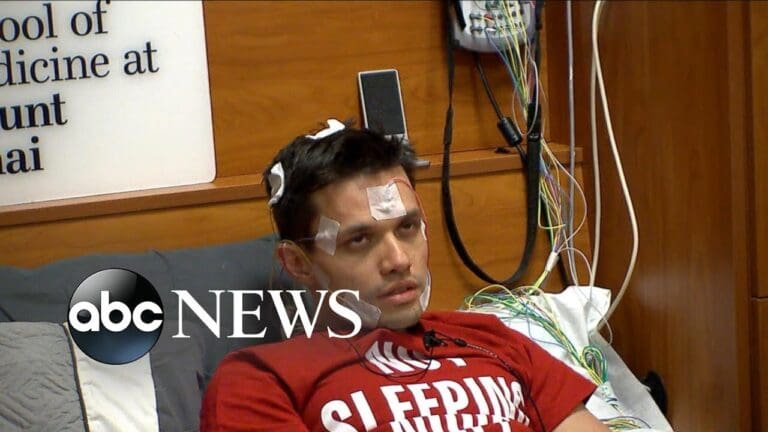
In an experiment to understand the impact of sleep deprivation, ABC News correspondent Dan Child stayed awake for 50 consecutive hours, revealing significant effects on concentration, coordination, and basic task performance. Doctors observed heightened cravings for carbs, worsened coordination, and…
 video
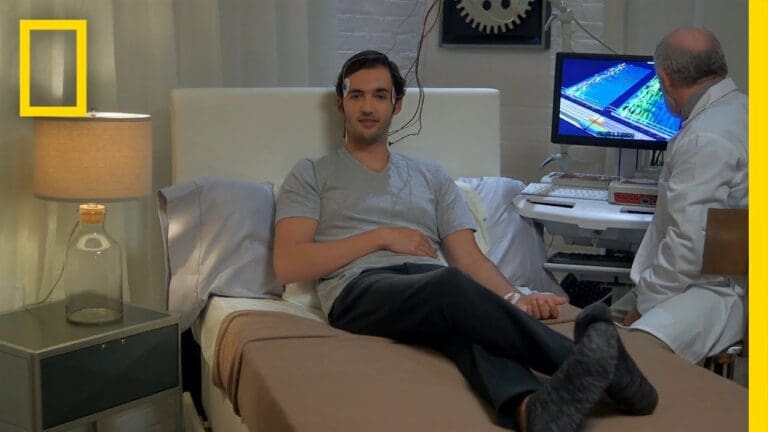
A microsleep is a lapse of half a second to 15 seconds when the brain falls asleep. In a New Zealand study, one night limited to 4 hours in bed more than doubled microsleeps during a 20-minute task.
Experts recommend at least 7 hours of sleep for adults to avoid health risks like obesity and heart disease. Sleeping less than 7 hours is linked to these risks.

Lab data show vertical mice reduce pronation and wrist extensor EMG vs standard mice, but pointing is slower initially - expect a learning curve.
In 565 Dutch children aged 7 to 12, parents who saw their child as more special than others predicted rising narcissism over 18 months. Parental warmth predicted self-esteem, and a lack of warmth did not predict narcissism.

Running as little as five minutes daily is associated with 30% lower all-cause mortality and 45% lower cardiovascular mortality compared to non-runners, according to a study tracking over 55,000 adults for 15 years.
A 2014 study found that women overestimate how much makeup men find most attractive. Men and women both preferred a lower amount than women expected men to want.

Chronic alcohol use creates long-lasting changes in sleep architecture that persist even after abstinence. Alcohol initially reduces sleep latency and enhances slow-wave sleep, but later disrupts sleep quality. These sleep disturbances, especially insomnia and REM sleep abnormalities, significantly increase relapse risk in alcohol dependence. Treating sleep disorders may improve recovery outcomes.