NAD supplements: what they are, what they do
Clear guide to NAD supplements: what they are, how they work, key evidence, safety, and limits. Learn if NAD supplements help and what remains unproven.


Clear guide to NAD supplements: what they are, how they work, key evidence, safety, and limits. Learn if NAD supplements help and what remains unproven.
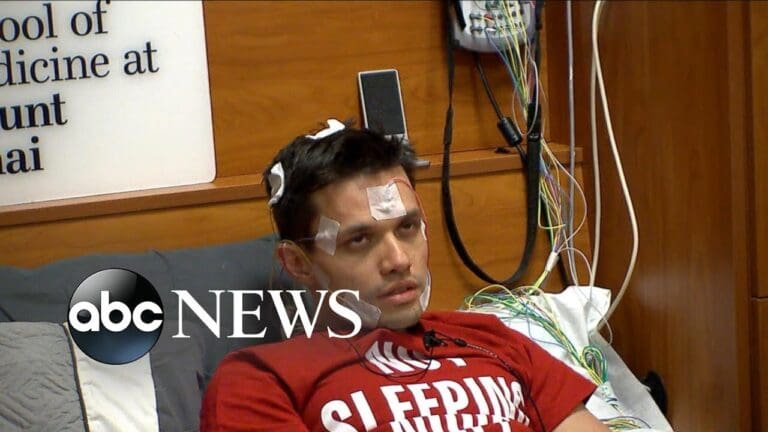 video
In an experiment to understand the impact of sleep deprivation, ABC News correspondent Dan Child stayed awake for 50 consecutive hours, revealing significant effects on concentration, coordination, and basic task performance. Doctors observed heightened cravings for carbs, worsened coordination, and…
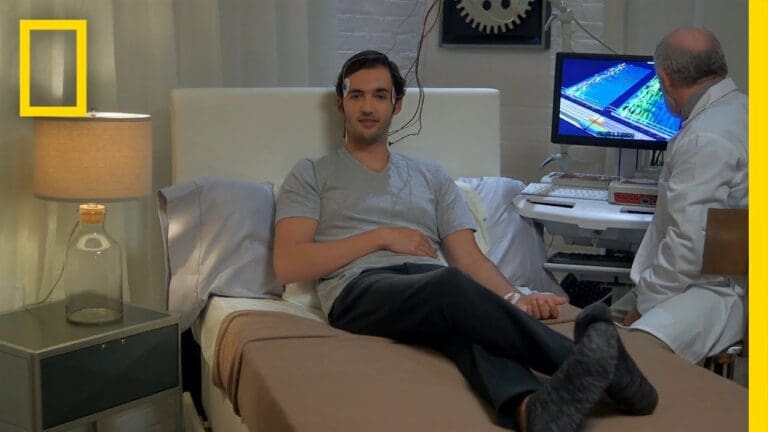 video
Micro sleeps are brief moments when the brain involuntarily shuts down, leading to lapses in awareness that are nearly impossible to resist. These unconscious moments, driven by hormonal changes, can be particularly dangerous in high-stakes situations like driving, where even…
Experts recommend at least 7 hours of sleep for adults to avoid health risks like obesity and heart disease. Sleeping less than 7 hours is linked to these risks.

Lab data show vertical mice reduce pronation and wrist extensor EMG vs standard mice, but pointing is slower initially - expect a learning curve.
Children are not born narcissistic; they learn to prioritise themselves through the way they are treated. Psychologists point to two opposite, but equally damaging, parenting extremes that can plant the seeds of adult narcissism. When caregivers are emotionally unavailable and…

Running as little as five minutes daily is associated with 30% lower all-cause mortality and 45% lower cardiovascular mortality compared to non-runners, according to a study tracking over 55,000 adults for 15 years.
A 2014 study found that women overestimate how much makeup men find most attractive. Men and women both preferred a lower amount than women expected men to want.

Chronic alcohol use creates long-lasting changes in sleep architecture that persist even after abstinence. Alcohol initially reduces sleep latency and enhances slow-wave sleep, but later disrupts sleep quality. These sleep disturbances, especially insomnia and REM sleep abnormalities, significantly increase relapse risk in alcohol dependence. Treating sleep disorders may improve recovery outcomes.