 video
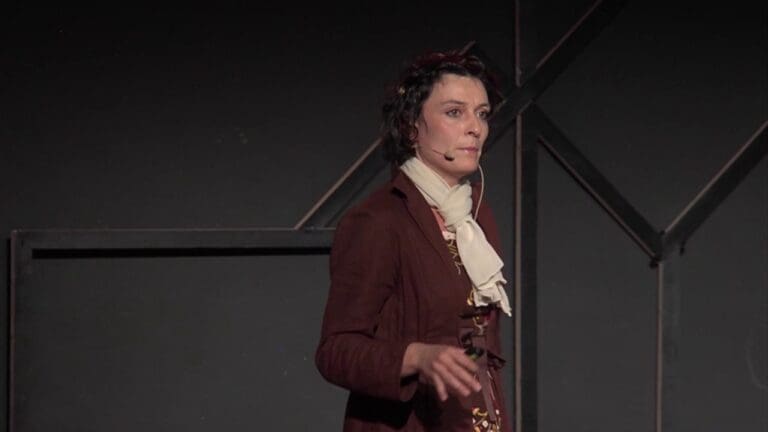
videoHigh brain activity and micro-awakenings explain why some people remember dreams better
High brain activity in the temporo-parietal junction causes micro-awakenings that let some people remember dreams, while deep sleepers forget them.

 video
videoHigh brain activity in the temporo-parietal junction causes micro-awakenings that let some people remember dreams, while deep sleepers forget them.
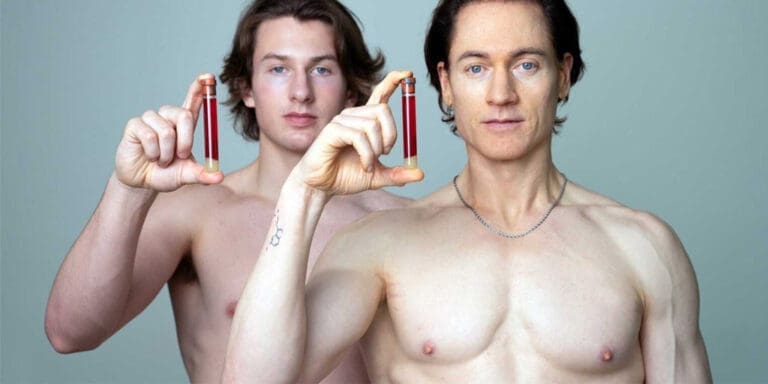
Bryan Johnson's Blueprint project uses data to reverse aging. His "Don't Die" movement aims to make longevity humanity's top goal through healthy habits.
NMN and NR supplements reliably raise blood NAD, but human trials have not shown that they slow aging; measured benefits so far are small and inconsistent.
A new cohort study linked higher ultra-processed food intake in women under 50 with more early colorectal adenomas, but it did not prove direct bowel cancer causation.
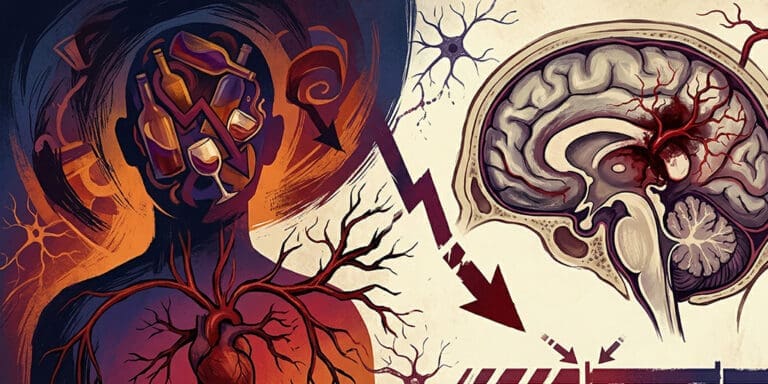
In 1,600 people already hospitalized with spontaneous brain bleeds, heavy regular drinking was associated with earlier median age at onset (64 vs 75 years), larger hematomas, and MRI patterns suggesting more advanced small-vessel disease versus the non-HAU cohort. The Neurology study is cross-sectional and single-center, so it reports associations in admitted patients, not proof of direct causation for each finding.

A new mouse study finds that strength training is more effective than running for improving glucose metabolism and fighting diabetes.
While genetics is the main factor, reducing personal and environmental stress can temporarily reverse gray hair color in some cases, but a permanent fix is not yet available.
A Cell Metabolism study (first published online 23 October 2025) reports that hormone-sensitive lipase (HSL) is active on fat droplets and in fat-cell nuclei, where it helps maintain adipose tissue. In the mouse models and rare human HSL-deficiency cases described in the paper, the phenotype is lipodystrophy (abnormal loss or redistribution of fat tissue), not obesity. The work reframes how too much and too little functional fat tissue can both strain metabolism. It does not replace medical or lifestyle advice or prove any new treatment.
In 88,905 adults followed with wrist light sensors, brighter nights were tied to higher future risks of coronary disease, heart attack, heart failure, atrial fibrillation, and stroke under the paper's primary model 3 (demographics, socioeconomic factors, physical activity, smoking, alcohol, diet, and urbanicity). That pattern is association, not proof that your bedroom lamp causes disease. A lab study in healthy young adults found one night of moderate room light during sleep caused a higher nighttime heart rate and lower heart-rate variability and showed higher HOMA-IR, higher 30-minute insulin area under the curve, and a lower Matsuda index the next morning versus very dim light. For everyday sleep space habits, the CDC recommends a cool, dark, quiet bedroom and limiting bright artificial light before bed.