Good person or bad person? Look at how they treat others
A good person is often easier to spot when you watch how they treat people with less power. This article explains the waiter rule, its limits, and what it can really tell you.

A good person is often easier to spot when you watch how they treat people with less power. This article explains the waiter rule, its limits, and what it can really tell you.

Some authors argue introspection is our least sensory-mediated access to experience. But introspective reports are not direct neural measurement, and they can be unreliable.
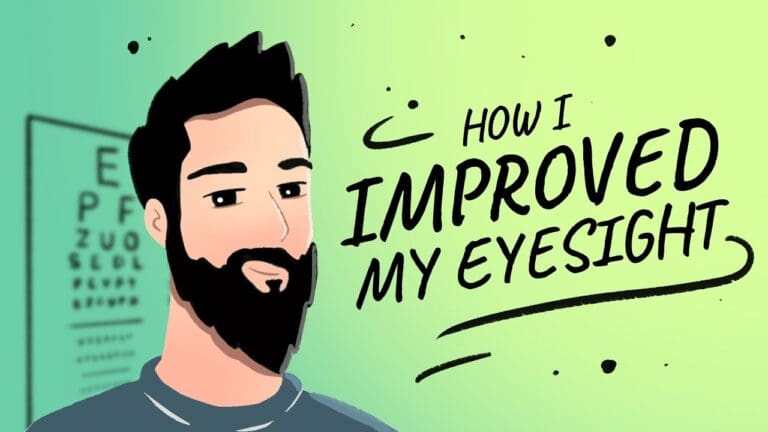
videoEndmyopia claims to reverse nearsightedness via active focus, but studies suggest under-correction may worsen vision.

Learn the 3 signs of invisible load in relationships: managing tasks, tracking details, and carrying emotional weight. Discover how to share the mental burden.

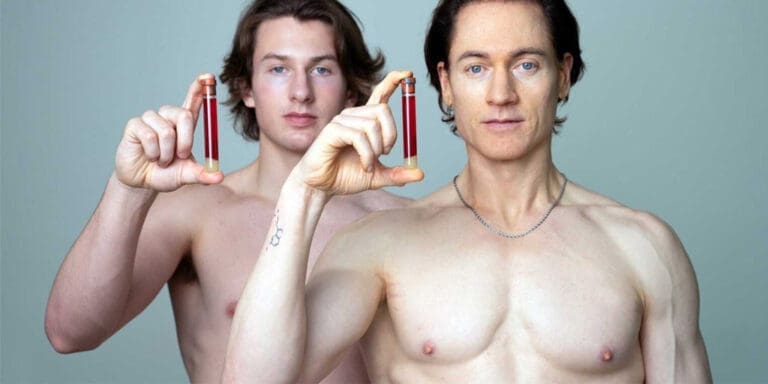
Bryan Johnson's Blueprint project uses data to reverse aging. His "Don't Die" movement aims to make longevity humanity's top goal through healthy habits.

Aging is the biggest overall cancer risk factor, but that does not make preventable risks irrelevant. The stronger message is that older adults with cancer need care that fits their full health status, not only the tumor.

Hookup culture told everyone to act unbothered. Bill-splitting became a political statement. Dating profiles turned into shopping lists. An Evie Magazine essay argues that modern romance lost its warmth because we traded vulnerability for performance, and both men and women came out emptier.
Gratitude explains why new gains fade and complaints rise.
Sour candy for panic attacks On a Reddit conversation titled “What’s a crazy body life hack everyone should know?”, a user claims: If you’re prone to anxiety attacks, keep some really sour candies on hand. I normally take medication for…