

Sleep
Sleep is a pillar of physical health and mental clarity. Research covers the impact of sleep on cognitive performance, emotional regulation, and the latest innovations in sleep-tracking wearables and smart recovery tools.
Sleep Basics
Human brain not designed to stay awake after midnight
Scientists propose the Mind After Midnight hypothesis, arguing that the brain shifts into a markedly different mode when we stay…
Adults should aim for 7 or more hours of sleep to maintain optimal health
Experts recommend at least 7 hours of sleep for adults to avoid health risks like obesity and heart disease. Sleeping less than 7 hours is linked to these risks.
Sleep and Health

Sleeping too little or too much is linked to a higher risk of heart-related death
A large-scale study of 135,000 participants shows that sleeping too little or too much is associated with an increased risk of cardiovascular death. The Multiethnic Cohort Study reveals a U-shaped risk pattern.

Sleep apnea disrupts the link between sleep stages and heart rate
A study published in Neuropsychopharmacology reveals how heart rate variability changes across sleep stages and how sleep apnea disrupts this balance. Evidence suggests distinct brain systems control sleep and wakefulness.

Teenagers who sleep too little think and feel worse
Adolescents who lack sufficient sleep experience cognitive deficits including reduced attention, impaired learning, and worse academic performance. Sleep deprivation also increases anger, irritability, and emotional regulation difficulties, and leads to dangerous behaviors like risky driving. Research shows 8-10 hours of sleep per night is optimal for adolescents.
Sleep Science
Match your hardest work to your body clock to think better
Most people have a clear internal daily rhythm, called a circadian rhythm, that sets natural peaks and dips in alertness.…
Ashwagandha may ease stress and improve sleep, but it is not risk free
Ashwagandha is a plant used in Ayurvedic medicine. It is often called an adaptogen, meaning a substance that may help…
Sleep deprivation kills by damaging the gut, but antioxidants may help
Sleep deprivation kills flies and mice by causing oxidative damage in the gut, a process that antioxidants can reverse, according to a Harvard study.
 video
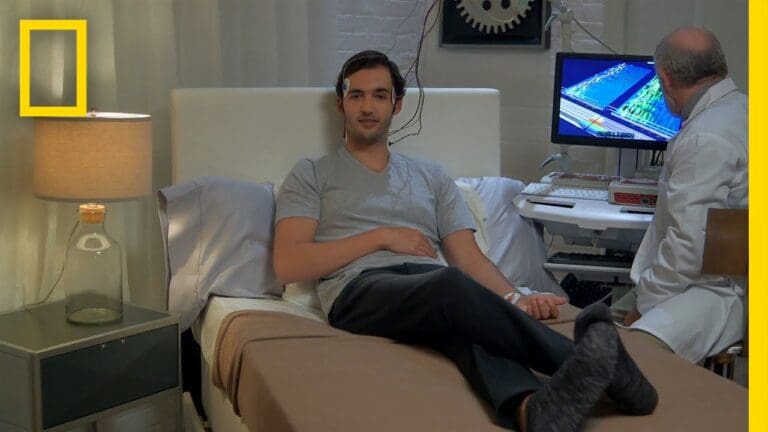
videoMicro sleeps highlight the dangers of sleep deprivation
Micro sleeps are brief moments when the brain involuntarily shuts down, leading to lapses in awareness that are nearly impossible…

Night shifts disrupt sleep and raise the risk of illness and accidents
Shift work can disrupt circadian timing and shorten sleep, which is linked to fatigue, reduced alertness, and higher accident risk. Evidence also links night and rotating shift work to modestly higher cardiovascular risk, while cancer evidence is mixed and depends on exposure definitions.