Bryan Johnson’s Blueprint and “Don’t Die” movement aim to make death optional
Bryan Johnson's Blueprint project uses data to reverse aging. His "Don't Die" movement aims to make longevity humanity's top goal through healthy habits.


Bryan Johnson's Blueprint project uses data to reverse aging. His "Don't Die" movement aims to make longevity humanity's top goal through healthy habits.
A common phrase says someone “died of old age.” Medicine says otherwise. Doctors do not certify “old age” as a cause of death, they identify the disease or injury that ended life, often after a gradual loss of resilience that…
75-90 % of what determines human lifespan lies outside the DNA we inherit. That “environmental” portion is overwhelmingly shaped by lifestyle: medical care, nutrition, physical activity, smoking, social support, and more.
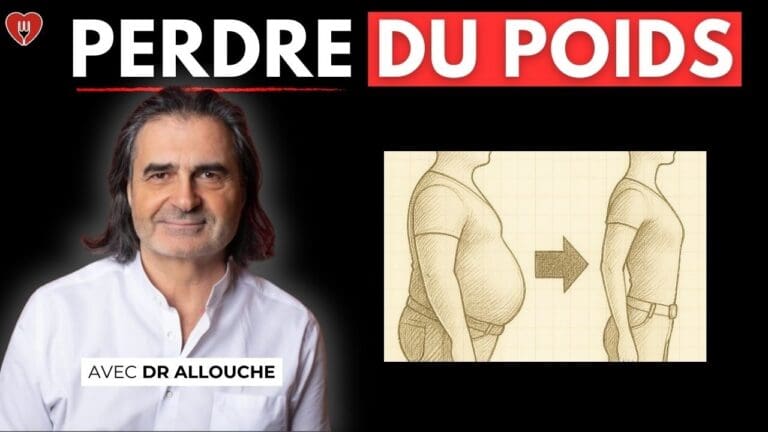
According to Dr. Réginald Allouche, weight gain is not merely caused by overeating but by an overburdened liver that can no longer efficiently process, store, and regulate fats and sugars. The liver, responsible for over 300 biochemical functions, plays a…
Vitamin D may slow cellular aging by preserving telomere length, a new study finds. Learn about the benefits for DNA, proper dosage, and potential risks.

A menstrual cycle typically lasts 28-32 days, this varies among women.Day 1 is the first day of bleeding, lasting 3-7 days. Key phases and hormonal effects of women’s menstrual cycles Day 1–10: Estrogen Build-Up Day 10–15: Ovulation Ovulation comes between…
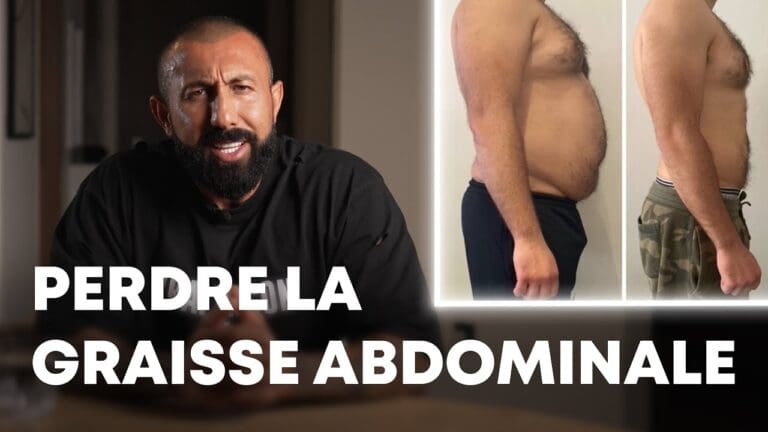
How to Lose Fat and Slim Down? Doing cardio, crunches, and core exercises can help, but it’s often not enough. So, what can we do? Before understanding how to lose fat, it’s crucial to know where it comes from and…
A new study reveals that weight training not only builds muscle but also boosts brain function. Regular resistance exercises have been shown to improve cognitive abilities, highlighting the broader health benefits of strength training beyond physical fitness.
Running, aerobic fitness has heart-boosting effects. Weight lifting are associated with lower overall rates of death and negative cardiovascular events. Moderate to vigorous physical activity, 1h+/week, significantly reduces mortality risk.