

Aging
Research shows lifestyle is more important than genetics for lifespan and healthspan. Evidence-based ways to slow biological aging that improve daily life right away: more energy, better mood, deeper sleep, sharper focus, better health, and, through clearer thinking and steadier emotions, better relationships.
Basics
Lifting weights boosts brain function
Contrary to the stereotype of weightlifting being associated with brute strength, research shows that regular weight training can improve…
Not smoking, moving regularly, and eating varied foods add the most years to your life
A study published in JAMA Network Open found that non-smoking, regular exercise, and a diverse diet significantly increase the likelihood…
Muscular strength found more crucial than cardio for longevity
Running, aerobic fitness has heart-boosting effects. Weight lifting are associated with lower overall rates of death and negative cardiovascular events. Moderate to vigorous physical activity, 1h+/week, significantly reduces mortality risk.

Learning multiple new skills can produce test scores comparable to adults 30 years younger
Older adults who learn multiple new skills simultaneously can achieve cognitive performance similar to adults 30 years younger. A UC Riverside study found that 3 months of intensive learning improved memory, attention, and cognitive control, with gains maintained up to one year later.
 video
videoEpigenetics lets you control your genes through five simple lifestyle habits
Epigenetics proves your DNA is not your destiny. Learn the 5 lifestyle habits - diet, exercise, stress, pleasure, social bonds - that control your gene expression.
Longevity Levers
DHEA benefits are limited, and anti-aging proof is weak
DHEA is a real hormone precursor, and its level falls with age. But that does not prove oral DHEA improves aging, energy, muscle, or libido for most people. Human evidence supports a few narrower uses and raises real safety questions.
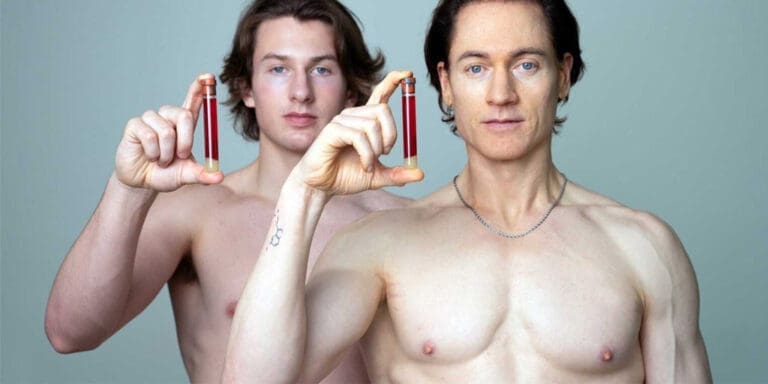
Bryan Johnson’s Blueprint and “Don’t Die” movement aim to make death optional
Bryan Johnson's Blueprint project uses data to reverse aging. His "Don't Die" movement aims to make longevity humanity's top goal through healthy habits.
NMN and NR supplements raise blood NAD but have not slowed aging in humans
NMN and NR supplements reliably raise blood NAD, but human trials have not shown that they slow aging; measured benefits so far are small and inconsistent.
Can you reverse gray hair? Science says probably not permanently
While genetics is the main factor, reducing personal and environmental stress can temporarily reverse gray hair color in some cases, but a permanent fix is not yet available.
Artificial sweeteners may speed cognitive decline
A large observational study linked higher intake of several artificial sweeteners to faster cognitive decline over about eight years, but it did not prove causation.
NAD supplements raise NAD in the body – health gains are not established yet
Nicotinamide adenine dinucleotide, or NAD, is a helper molecule that cells use for energy, DNA repair, and body clock control.…
Lab Frontier
Scientists slow aging in mice by restoring a brain protein called “menin” that declines with age
Scientists have pinpointed a single protein in the ventromedial hypothalamus, menin, that appears to act as a brake on the…
Brief deep red light may improve color vision in older adults
Scientists at University College London report that brief exposure to deep red light may partly restore age related vision losses,…
Sleep deprivation kills by damaging the gut, but antioxidants may help
Sleep deprivation kills flies and mice by causing oxidative damage in the gut, a process that antioxidants can reverse, according to a Harvard study.

Even five minutes of running a day is linked to longer life
Running as little as five minutes daily is associated with 30% lower all-cause mortality and 45% lower cardiovascular mortality compared to non-runners, according to a study tracking over 55,000 adults for 15 years.