

Aging
Research shows lifestyle is more important than genetics for lifespan and healthspan. Evidence-based ways to slow biological aging that improve daily life right away: more energy, better mood, deeper sleep, sharper focus, better health, and, through clearer thinking and steadier emotions, better relationships.
Basics

Aging is the biggest overall cancer risk factor
Aging is the biggest overall cancer risk factor, but that does not make preventable risks irrelevant. The stronger message is that older adults with cancer need care that fits their full health status, not only the tumor.
People do not die of old age: aging weakens the body and disease causes death
A common phrase says someone “died of old age.” Medicine says otherwise. Doctors do not certify “old age” as a…

Plant protein and fish are linked with longer life, while red and processed meat raise risk
A recent media claim said that eating a lot of animal protein speeds aging. The idea has some truth, but…
Lifestyle counts far more than genetics for health and longevity
75-90 % of what determines human lifespan lies outside the DNA we inherit. That “environmental” portion is overwhelmingly shaped by lifestyle: medical care, nutrition, physical activity, smoking, social support, and more.
We create a false self in early life to meet external expectations and cope with childhood experiences – James Hollis
James Hollis explores the psychological and spiritual upheaval of midlife as a necessary and meaningful rite of passage. Drawing from…
Ultra-processed foods linked to weaker muscles and higher fat in thighs
A UCSF study finds eating ultra-processed foods adds fat to thigh muscles, making them weaker and raising arthritis risk, even if you exercise.
Walking like the most active people could add 5 to 11 years to life
A new study finds that matching the activity level of the top 25% of Americans could add 5 years to life expectancy, and up to 11 years for the inactive.
 video
videoSupplements and drugs most discussed for living longer
David Sinclair and Matthew LaPlante dive into various supplements and drugs believed to support longevity. Key substances include NAD boosters…
 video
videoMeal timing and food choices that support health
Intermittent Fasting (IF): Eating within a restricted time window, like 16–20 hours of fasting daily, helps activate longevity pathways, reduce…
Longevity Levers
DHEA benefits are limited, and anti-aging proof is weak
DHEA is a real hormone precursor, and its level falls with age. But that does not prove oral DHEA improves aging, energy, muscle, or libido for most people. Human evidence supports a few narrower uses and raises real safety questions.
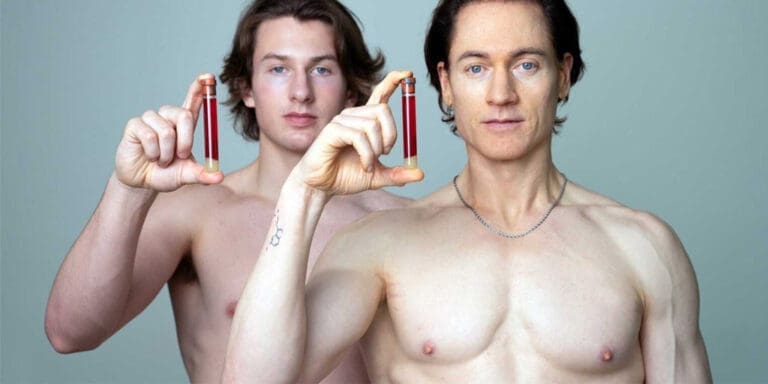
Bryan Johnson’s Blueprint and “Don’t Die” movement aim to make death optional
Bryan Johnson's Blueprint project uses data to reverse aging. His "Don't Die" movement aims to make longevity humanity's top goal through healthy habits.
NMN and NR supplements raise blood NAD but have not slowed aging in humans
NMN and NR supplements reliably raise blood NAD, but human trials have not shown that they slow aging; measured benefits so far are small and inconsistent.
Can you reverse gray hair? Science says probably not permanently
While genetics is the main factor, reducing personal and environmental stress can temporarily reverse gray hair color in some cases, but a permanent fix is not yet available.
Artificial sweeteners may speed cognitive decline
A large observational study linked higher intake of several artificial sweeteners to faster cognitive decline over about eight years, but it did not prove causation.
NAD supplements raise NAD in the body – health gains are not established yet
Nicotinamide adenine dinucleotide, or NAD, is a helper molecule that cells use for energy, DNA repair, and body clock control.…
Lab Frontier
Scientists slow aging in mice by restoring a brain protein called “menin” that declines with age
Scientists have pinpointed a single protein in the ventromedial hypothalamus, menin, that appears to act as a brake on the…
Brief deep red light may improve color vision in older adults
Scientists at University College London report that brief exposure to deep red light may partly restore age related vision losses,…
Sleep deprivation kills by damaging the gut, but antioxidants may help
Sleep deprivation kills flies and mice by causing oxidative damage in the gut, a process that antioxidants can reverse, according to a Harvard study.
Even five minutes of running a day is linked to longer life
Running as little as five minutes daily is associated with 30% lower all-cause mortality and 45% lower cardiovascular mortality compared to non-runners, according to a study tracking over 55,000 adults for 15 years.