

Dark traits
The darker aspects of human psychology and toxic behaviors. Traits and attitudes that harm others or undermine personal growth. The goal is to understand these patterns to recognize, avoid, and overcome them, both in others and within ourselves.
Spotting Them
 video
videoThe cost of devotion: an analysis of Sienna Spiro’s song “Die on this hill”
Sienna Spiro’s “Die on this hill” is one of those haunting piano ballads that sounds like a love song but…

Good person or bad person? Look at how they treat others
A good person is often easier to spot when you watch how they treat people with less power. This article explains the waiter rule, its limits, and what it can really tell you.
Personal attacks are the lowest form of debate: attack the argument, not the person
Why Schopenhauer’s “last resort” ruins thinking and how to debate without it. When conversations get tense, the easiest move is…
 video
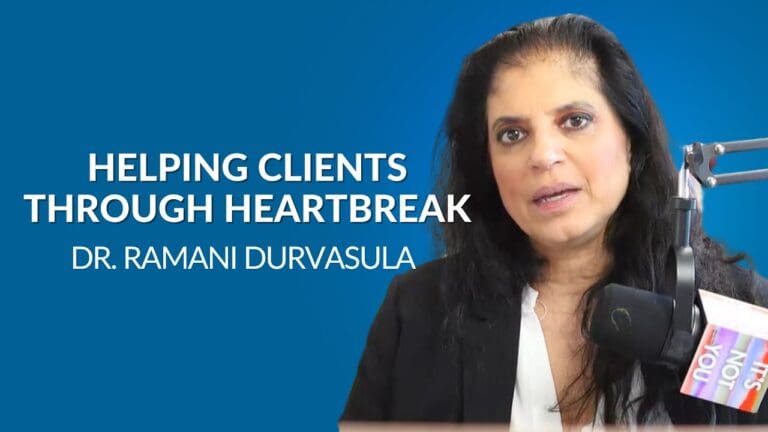
videoMedCircle: mental health interviews with psychiatrists & psychologists
Mental health interviews with world-class psychiatrists & psychologists, providing mental health advice packed with actionable takeaways and clear explanations of…
Saying “Sorry you feel that way” is a gaslighting tactic that hurts
Gaslighting is a form of psychological abuse that makes a person doubt their own experience and judgment. One common way…
Manipulative phrases people use to control conversations
11 common phrases that are subtly manipulative, often used to control or guilt others. Examples include “Don’t you trust me?”…
Psychological abuse leaves real trauma effects
Psychological abuse and coercive control are linked to PTSD, depression, and measurable trauma-related brain changes. The evidence is strong, but it does not show identical or permanent damage in every survivor.
Dealing With Them
Eight everyday habits that quietly reveal poor social intelligence
Social intelligence is the skill set that lets us read other people’s feelings, respect unspoken rules and adapt our behaviour…
Things people say that reveal poor social awareness without knowing it
“I’m just being honnest”, “Whatever”, “That’s not my problem”, “me, I, me”, “I don’t care”, “You’re too sensitive”, “No offense, but”, “You would not understand”
5 common phrases that sound passive aggressive, and what to say instead
Public speaking trainer John Bowe explains on CBNC that some everyday lines can sound passive aggressive. Passive aggressive speech is…
Neglect or overpraise in childhood can foster narcissistic adults
Children are not born narcissistic; they learn to prioritise themselves through the way they are treated. Psychologists point to two…
Research Findings

Can an AI “Gaslighting Detector” help you see manipulation clearly?
AI “gaslighting detectors” can help you spot manipulation patterns (but they can’t replace context or real support). Here’s how to use them safely.
Intelligent people prefer dark humor
The study titled “Cognitive and emotional demands of black humour processing: the role of intelligence, aggressiveness, and mood” was published…
Small habits that put people off without you realizing it
Certain subtle behaviors can cause individuals to unknowingly give off negative vibes. These include frequent complaining, closed body language, interrupting…
AI accurately predicts narcissism from LinkedIn profiles
Predicting narcissism and intelligence from LinkedIn profiles using machine learning Machine learning algorithms can accurately predict narcissism and intelligence from…
Survey: the worst passive-aggressive phrases
Passive aggressive communication means hinting at anger or blame instead of saying it openly. A new consumer survey of Americans…
Venting anger does not work, but calming activities effectively reduce rage
Venting anger by screaming or hitting adds fuel to the fire. A new study shows that calming activities like deep breathing are the real key to reduce anger.